Daydreaming About Ice Fishing

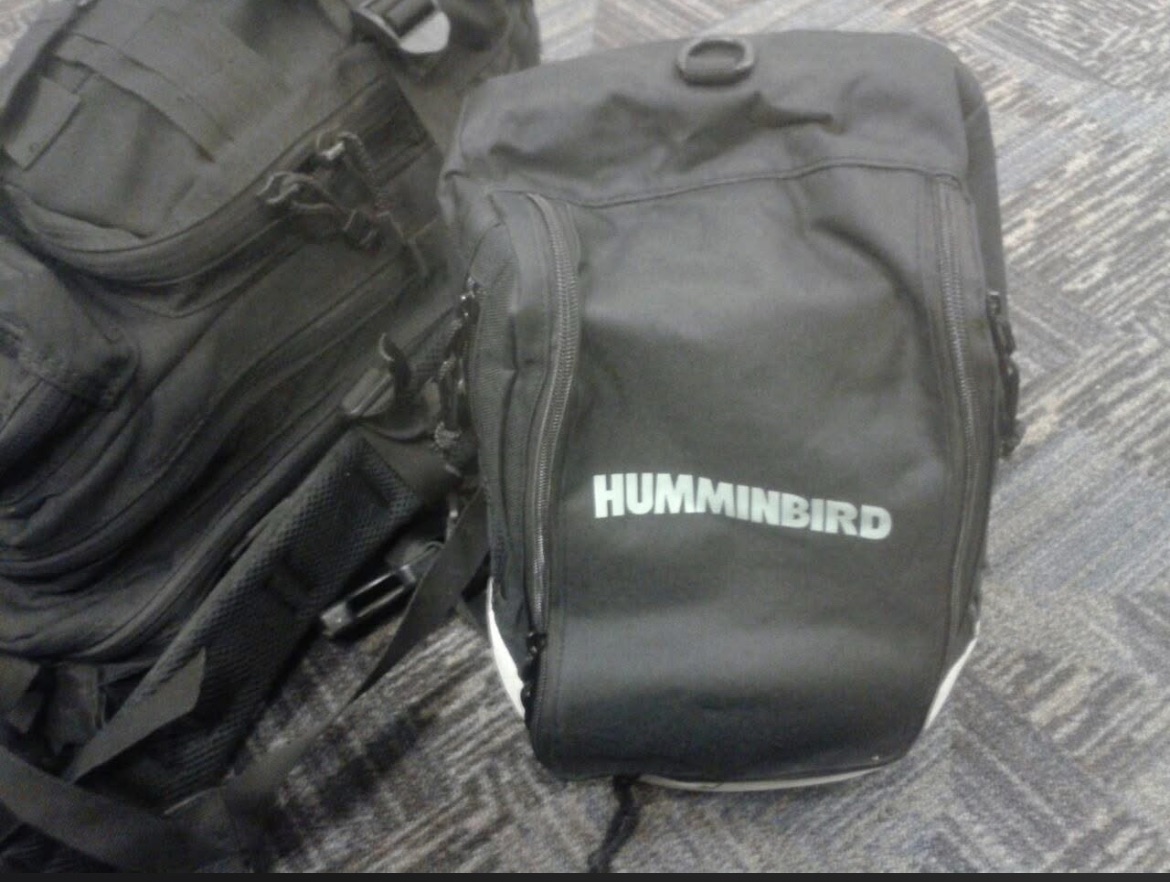
A Facebook memory popped up today, with a photo of an ice fishing graph as an airplane carry-on, and I can’t deny I’m a little envious of myself that year.

I’m a BIG fan of ice fishing. Walking across the top of a lake is true Fishing on Foot! Living in Georgia and having other fishing priorities for work, I don’t find my way to ice country nearly as often as I’d like.

Odd for a Georgia angler, I suppose, I do own ice rods, electronics, lures and clothes, and even an auger and simple sled for dragging stuff across the ice. I just don’t find enough opportunities to use my ice gear.

Simple Ice Fishing
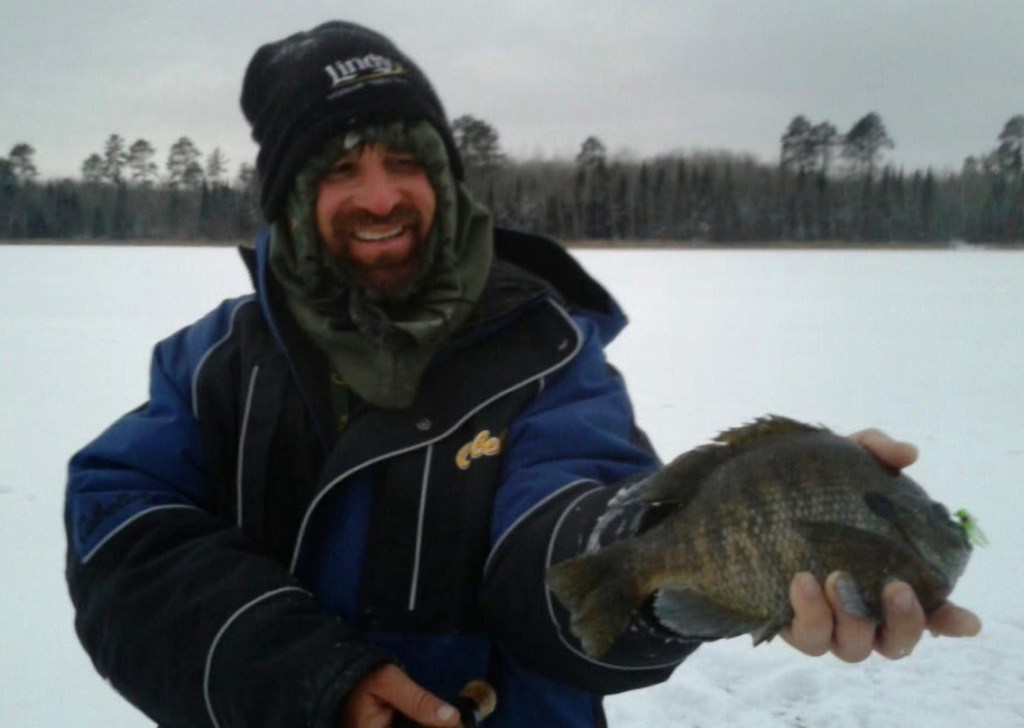
Bluegill make great targets for simple ice fishing excursions.

My favorite ice excursions are the simplest sorts — when fish are close enough to the shore or a lake is small enough that you can simply walk to a fishing spot, carrying gear in a bucket or pulling a small shed.

I’m not opposed to fishing from a shelter when it’s needed. If it’s bearable, though, I’d rather fish in the open and stay mobile, carrying only a rod or two and hopping from hole to hole to search for fish.

Trout are my favorite winter targets — maybe because they are cold oriented and tend to be turbo charged when other species are a bit slower than normal. That said, I really like catching bluegill and crappie through the ice, and there’s no species I wouldn’t enjoy catching.

No ice plans for this winter, as of now, which I guess is why the picture makes me jealous of myself. I certainly wouldn’t pass on the right opportunity, though, so I’m not yet ready to give up on this winter!
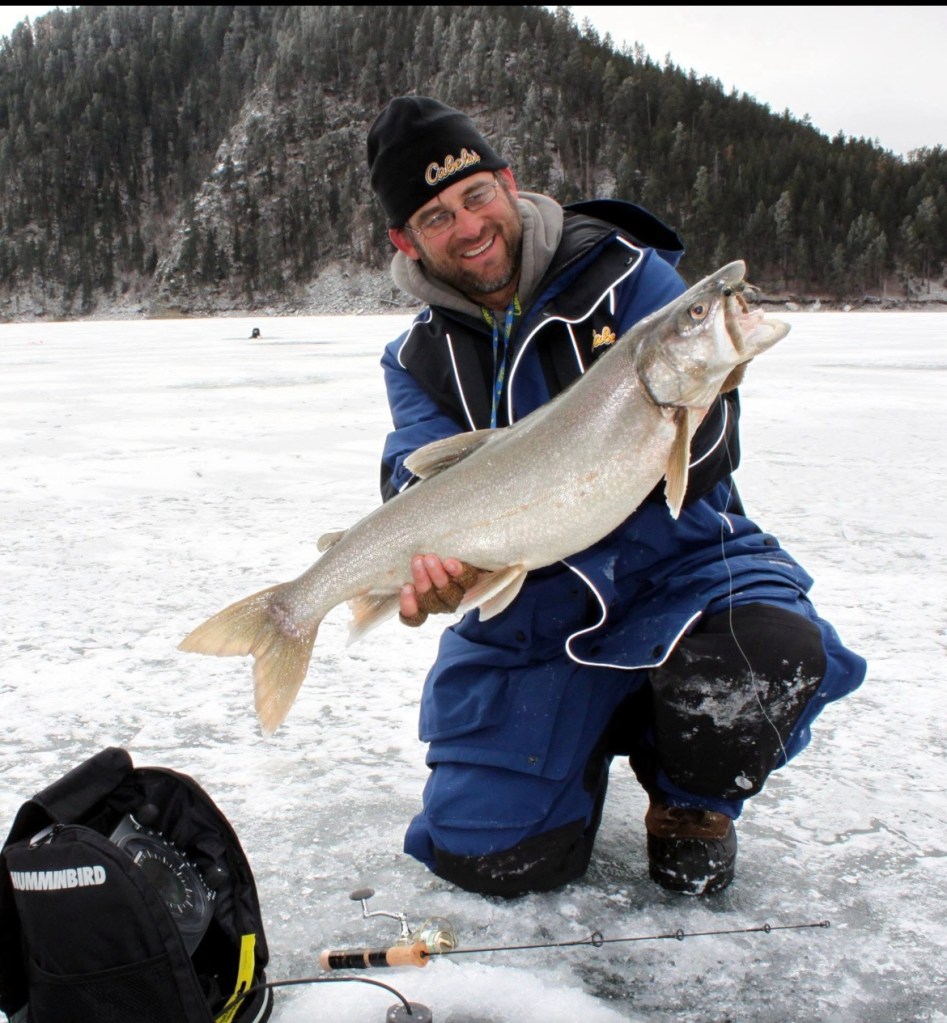
My all time favorite ice catch was this lake trout from the Black Hills of South Dakota that was part of a marvelous winter trip to Deadwood.

Double Mayfly Rig for Crappie, Trout & More

Tandem jig rigs provide a host of advantages for many fishing situations, so I use them quite a bit, including a variety of configurations. Recently, I’ve made extra heavy use of a specific double Mayfly combination, especially when I’m wading a trout stream or walking a riprap bank or dock to fish for crappie.

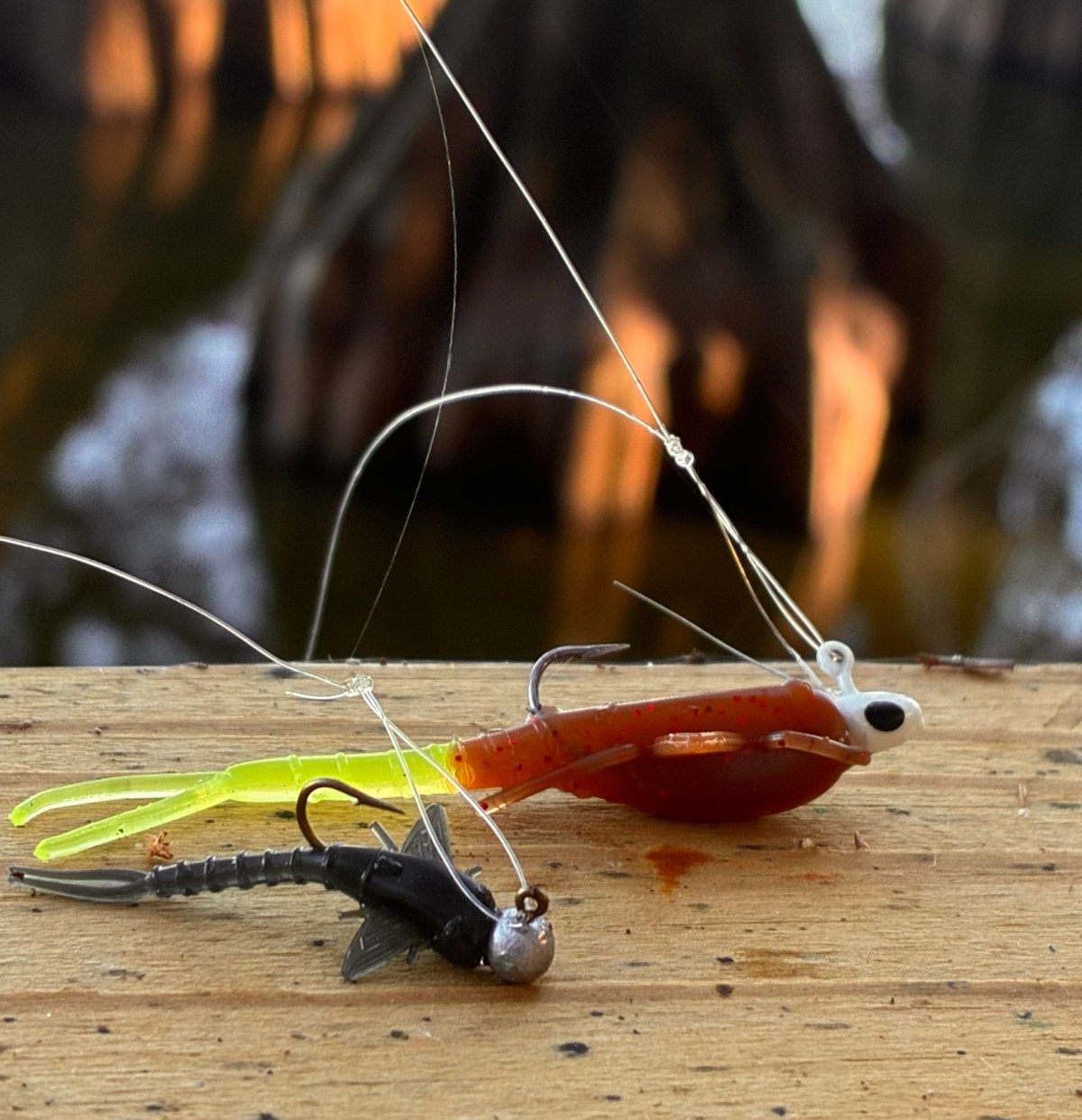
The specific combination is a Bobby Garland Mayfly, which is 2.25 inches long, and Itty Bit Mayfly, which is 1.25 inches long. The bigger one goes in front and is on a slightly heavier jighead. It sinks first, often getting fish’s attention, with the irresistible tiny one then falling into the zone.

I like big/little combinations with the same shape of bait because they move the same ways in the water, and in trout streams or around crappie cover I especially like the Mayfly shape because aquatic insect nymphs are often prevalent forage that the fish are used to seeing and eating.

Rigging Specifics

I tie both jigs on using loop knots to free the action and get the bait away from the line and typically space them about 18 inches apart.

I’ll rig the larger front one on a 1/16- to 1/32 ounce jighead, with depth and current dictating the specific weight, and the smaller on a 1/48-ounce Itty Bits Jighead.

Often I’ll match the colors, but at times I’ll mix them up, and if one far outperforms the other, I’ll switch the color of the other to match to try to determine whether size or color has been the difference maker.

Fishing the Double Mayfly

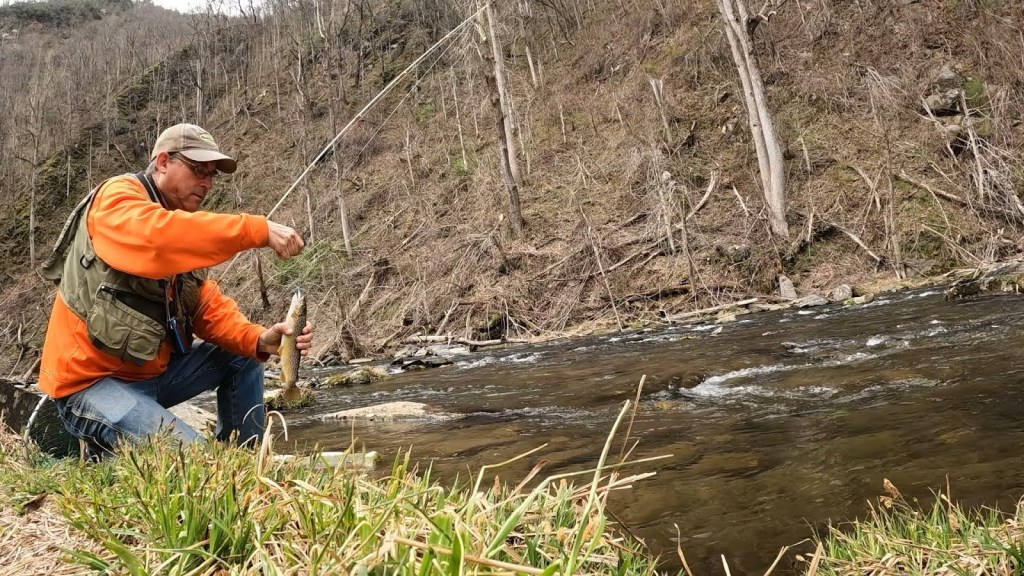
In trout streams, I fish mostly near the bottom and let the current do the bulk of the delivery work to match what the fish are used to seeing. I’ll orient casts upstream, let the rig sink as it drifts, and then reel and use gentle upward lifts of the rod tip. I lift just enough to keep the bait from dragging and hanging and to add a bit of wavering action.

For crappie (and other lake fish), I’ll either pitch the rig and let it swing down, or suspend it straight beneath the rod tip and experiment with different movements and with holding the rod tip completely still.

The best presentation varies daily, but as a rule, adding less action produces best. Both Mayfly baits have a natural shape and very enticing subtle wavering action when held still or barely twitched.

Bobby Garland Mayflies and Itty Bit Mayflies are available from many outdoors retailers, including Lurenet. Use the code FOF15 at checkout for 15 percent of your entire order at Lurenet.

What are Delayed Harvest Trout Streams?

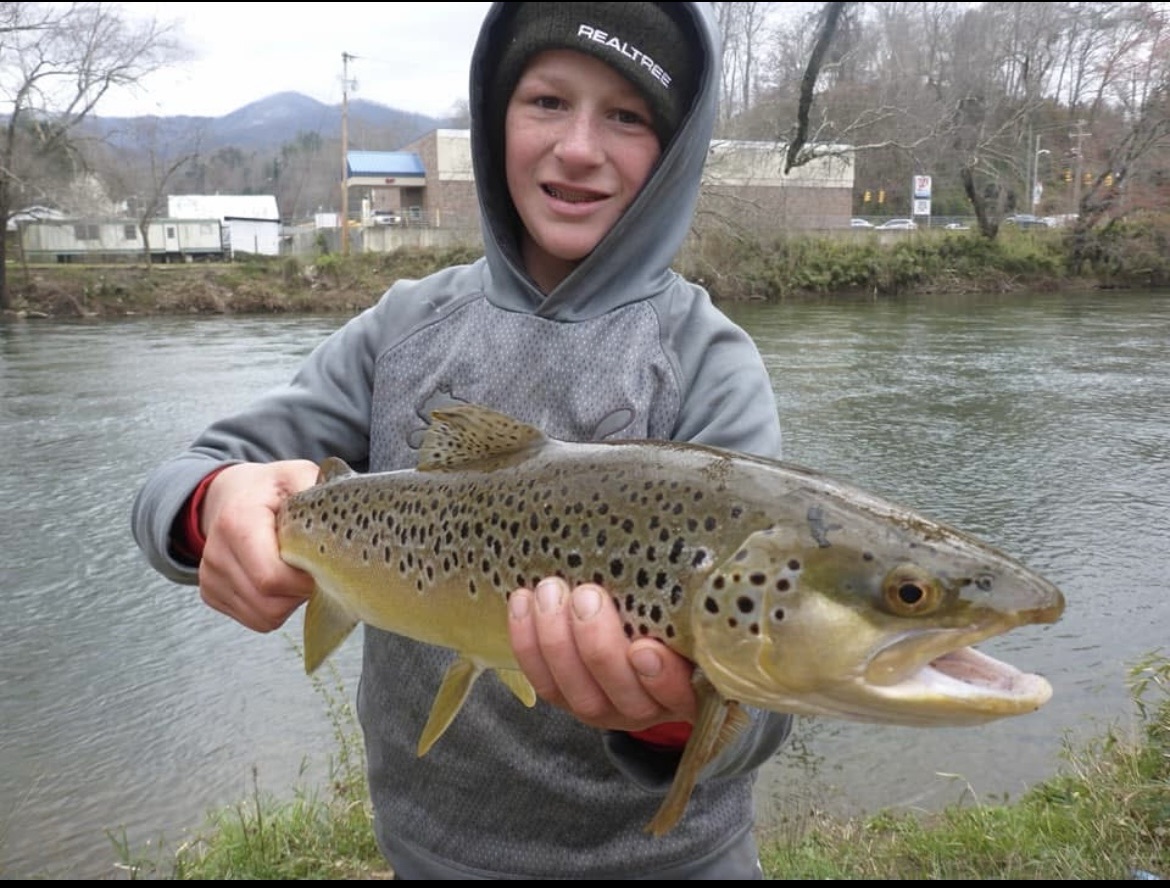
If you spend time around trout fishermen in the South, you’ll eventually hear talk about Delayed Harvest or DH trout waters and the fine fishing they offer, especially during the catch-and-release season, which occurs throughout the cooler months.

I always spend at least a few days fishing Delayed Harvest waters in Georgia or North Carolina between October and May.

Delayed Harvest regulations, which were popularized in North Carolina in the early 1990s, maximize fishing opportunities in waters that offer quality trout habitat from fall through spring but lose trout habitat when the water warms. They also effectively serve the interests of very different user groups among trout anglers.

Most Delayed Harvest stream sections have little to no natural reproduction and most were managed as nominal put-and-take fisheries, with only spring stocking, prior to the development of this management concept.

How Delayed Harvest Works

All trout fishing is catch-and-release during the “delay” part of delayed harvest trout management.

The way DH streams work is that they are heavily stocked through the cooler part of the year and open only to catch-and-release fishing with tackle restrictions from fall through late spring (Oct 1 through the first Saturday in June in North Carolina). This is when the habitat is best and these waters can support a high density of trout. The tackle restrictions (only single-hook artificial lures in North Carolina) allow for easier fish releases.

About the time the habitat quality would start diminishing, the regulations change, allowing for a limit of trout to be taken home and for fishing with bait and with treble hooks.

Without the harvest, not nearly as many fish could be put on these streams during the catch-and-release period because the habitat would not support the large numbers when the water started warming.

Specific regulations vary by state, but the concept is always the same. Waters in the program range from small creeks to big tailwater flows and vary dramatically in character.

Common denominators are that the fish tend to be plentiful during the release season (albeit increasingly educated at the season progresses), and opportunities to bring home a limit tend to be very good early in the harvest season.

For those reasons delayed harvest streams tend to be quite popular, so expect company and plan strategists accordingly.

First Fishing Trips

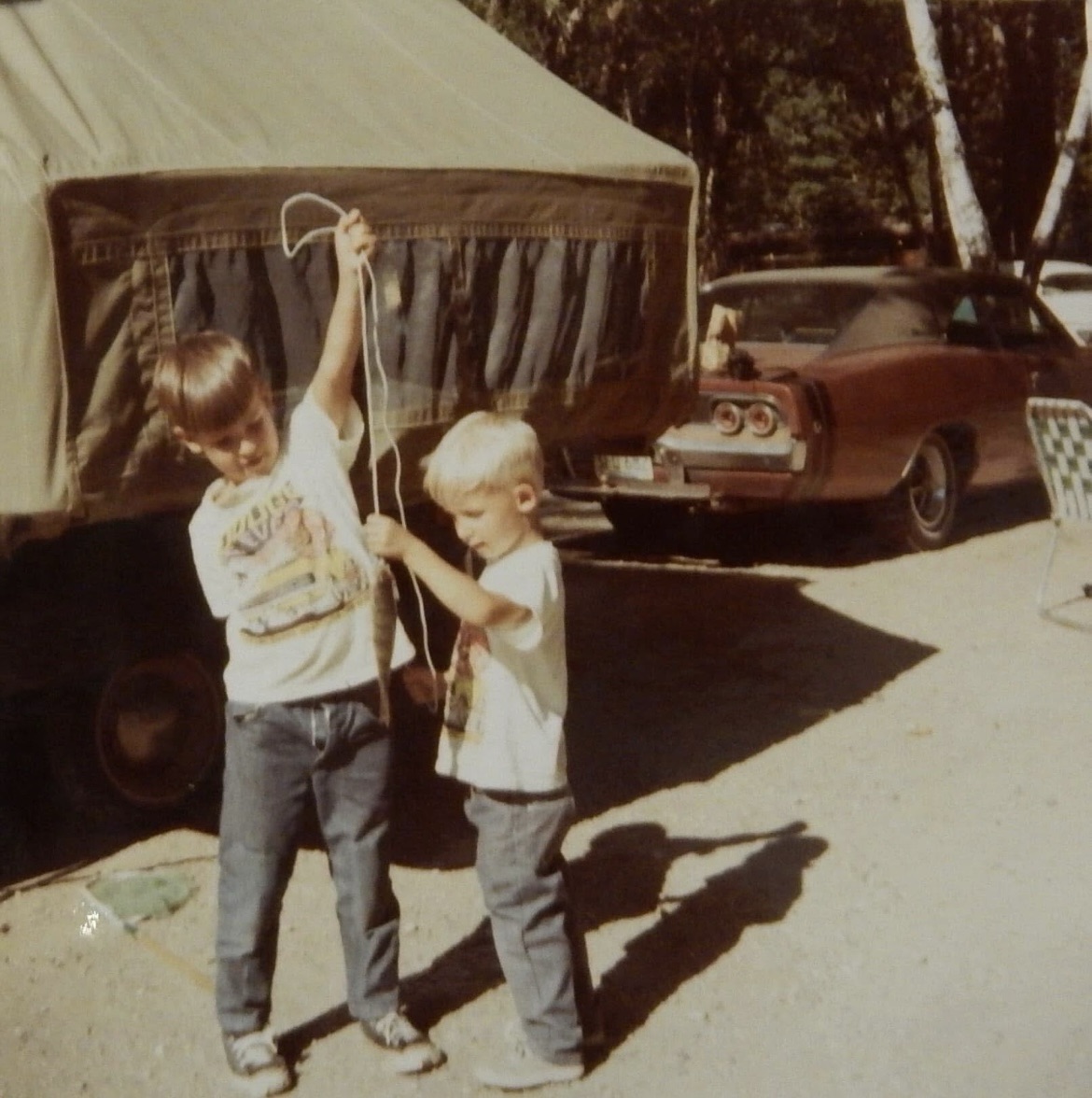
Details remain fuzzy. I’m the littler guy on the right — 4 or 5 years old — and I can’t claim any actual recollection. However, that outing started my fishing journey and the core of my career path.

I’m pretty sure it’s the only time my family ever went fishing together. I don’t even know where we got fishing tackle, and I assume the camper that’s hooked up to Dad’s Charger was a rental.

We were somewhere around Bemidji, Minnesota. I know that because pictures from the same trip include shots of us with Paul Bunyan and Babe in Paul Bunyan Park beside Lake Bemidji.

It’s also uncertain who actually caught the perch in the picture. I always assume it was me because I was the fisherman in the family. My brother Scott assumes it was him because he was older and more able. Maybe it was a team effort.

Subsequent Fishing Trips

What I do know is that this trip created a spark. The spark grew to a flame on visits to friends and a great aunt and uncle who had cabins in Northern Wisconsin, where I would spend every minute I could catching sunfish from docks while the rest of my family did whatever people do when they spend days visiting family and friends.

Then there was the small footbridge over a creek that was a short walk from our house in Clearwater, Florida. I spent countless hours leaning over the rail of that bridge and standing on a lone cleared bank spot beside the bridge, fishing for golden shiners, bluegill and occasional largemouth bass.

Eventually I began riding my bike to neighborhood lakes and getting rides to park lakes and to bridges and piers on Tampa Bay, the Gulf and the Intracoastal Waterway. Sometimes buddies would join me. Often I fished alone. Didn’t matter to me. I was fishing, so I was happy.

And I toted my rod & reel and tackle box to any event that was near water, if I was allowed to do so. Youth Group, Scouts, family picnic, vacation… anywhere I could.

Learning to Fish

My family moved from Minnesota to Florida when I was 6, and my grandfather followed a year or two later. He was a lifelong fisherman and taught me some fundamentals and helped my parents pick out early tackle for me. I don’t specifically remember fishing together, except for one day on a 1/2-day deep sea fishing trip.

I mostly learned by doing. I watched Bill Dance, Jimmy Houston, Roland Martin and Orlando Wilson, read Florida Sportsman and Bassmaster magazines, and soaked up all I could from anyone I met who ever fished. But mostly I leaned by trial and error.

Every now and then a Scoutmaster, a buddy’s dad or some family friend would take me out in a boat for bass or inshore saltwater species. Mostly, though, it was Fishing on Foot, so I suppose that’s why that style of fishing resonates so strongly in me and why I’m glad for the opportunity to share things I’ve learned in this blog.