Species No 1 for this year’s Georgia Bass Slam was a Bartrams bass.
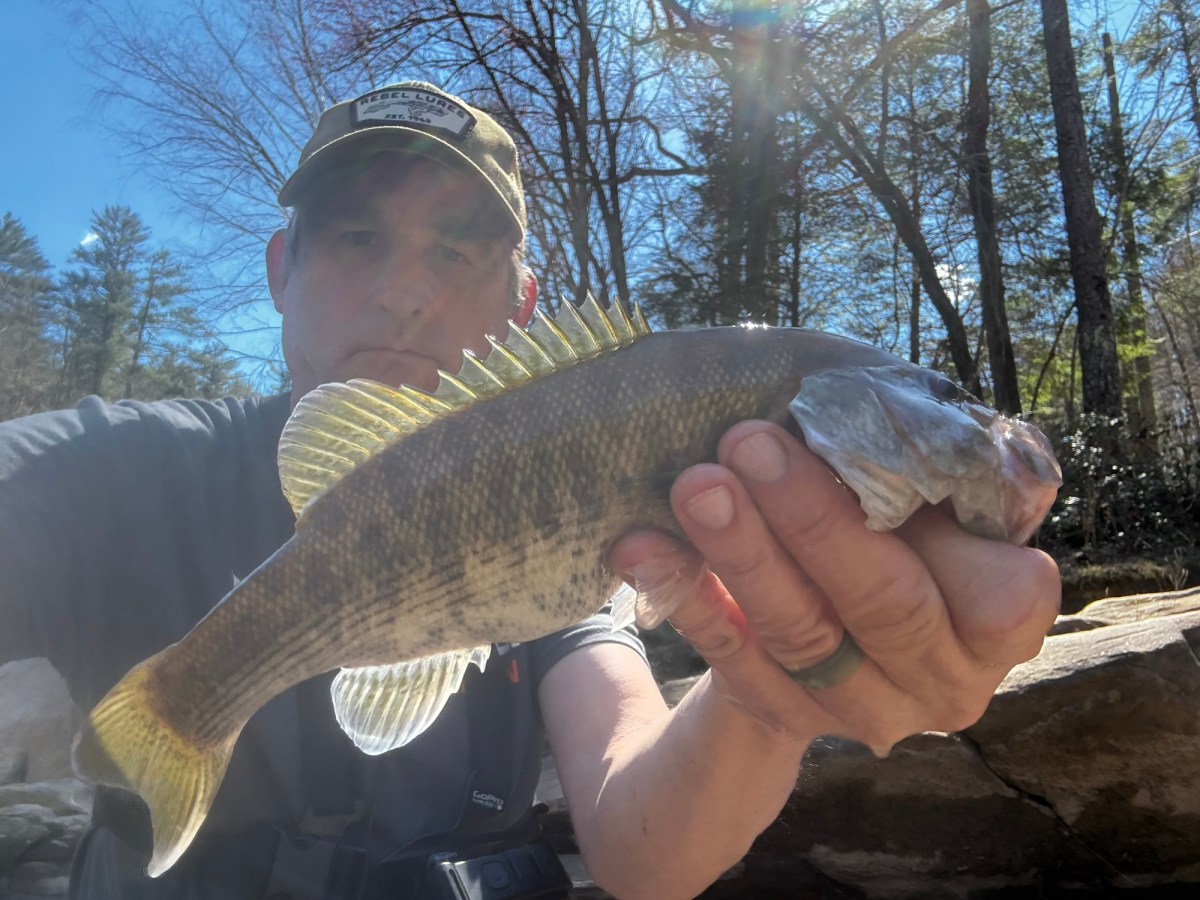
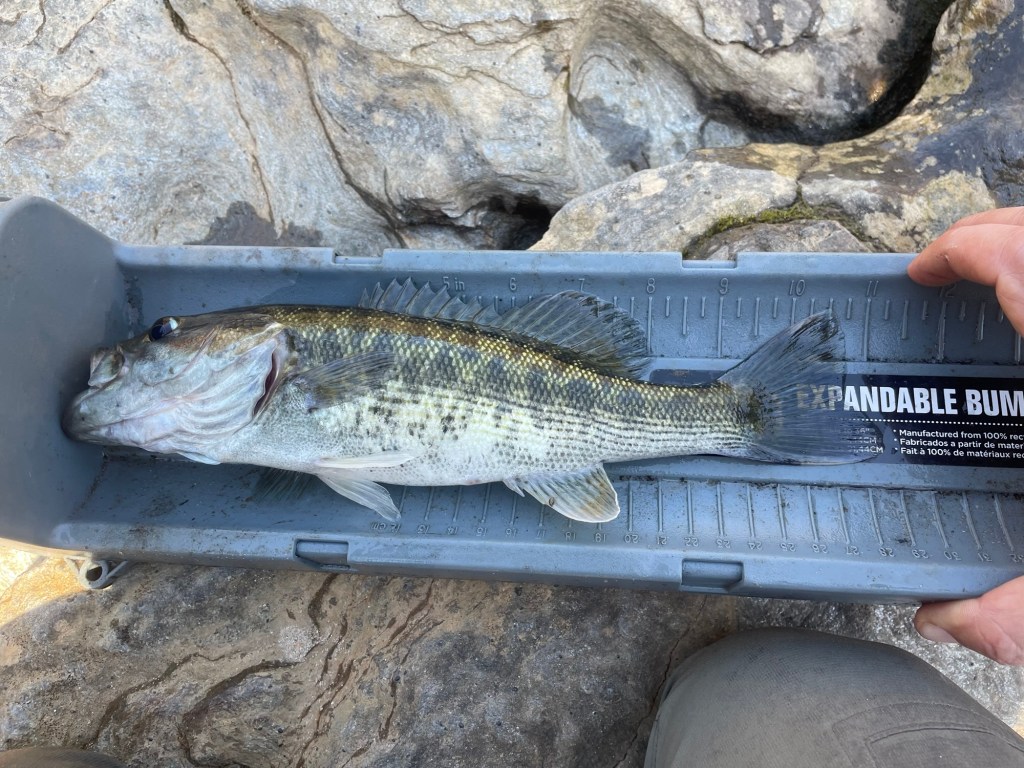
This afternoon I caught my first fish of this year that will qualify toward the Georgia Bass Slam: a 10 1/2-inch Bartrams bass. Of course, I caught it Fishing on Foot.
Last year I set a goal on New Year’s Day to achieve the Slam — all Fishing on Foot and on public land. The minimum number of species for achieving the Georgia Bass Slam is five, and I ended up catching seven in 2025.
I hadn’t stated that goal this year, and I still might not plan fishing trips around Slam needs as much this time around. I probably knew I’d end up seeking it, though, and I am pretty excited to have one species notched.
The Bartrams is admittedly among the easiest for me. I pursue them and catch some pretty much every year without any thought of the Bass Slam. It’s still fun to get this year’s effort underway.
Looking at all species caught — not just Georgia Bass Slam qualifying fish, today’s Bartrams bass was species seven for me, and a redbreast sunfish was number eight. I’ve actually caught largemouth, smallmouth and spotted bass this years, but they came from Alabama and Tennessee, so I still need all of those for the Slam.
Understanding how brown trout differ from other trout species allows you to fish for them more effectively.
If you want to be successful catching brown trout, the first step is to recognize that browns are different from other trout. Understanding their unique “personality” can help you fish for them more efficiently.
From the onset I should acknowledge that I’m not a biologist, so this isn’t a scientific life science breakdown. That said, I’ve had the opportunity to spend substantial time with top trout anglers and have spent quite a bit of time reading about brown trout and interviewing biologists for magazine stories.
More importantly, I’ve invested my share of hours in creeks and rivers across the country and have seen for myself where brown trout lurk and how they behave.
Brown Trout Distinctives
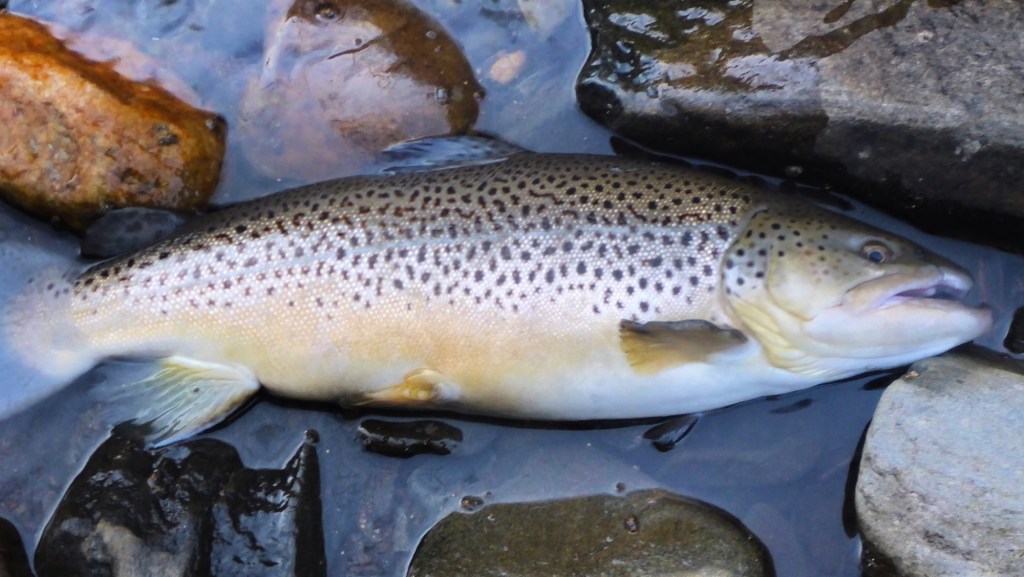
Brown trout from an Appalachian stream.
More so than other trout, brown trout avoid current. They’ll often hold near current, within ambush range, but in a hard eddy. They relate heavily to cover, whether that’s a boulder or a downed tree, and tend to hold in the toughest place for making good presentations and getting them out of one does bite.
They also avoid bright light when possible, lurking in shady undercuts and feeding best early and late and on dreary days. Mature browns are actually largely nocturnal. They can be coaxed into biting by day but do most of their hunting under the stars.
Brown trout also favor larger meals than most other trout, feeding heavily on minnows, sculpins and other fish along with crawfish and large aquatic and terrestrial insects.
Browns also seem to be the most wary of the trout, and that only increases with age. If a mature brown becomes aware of you, the chance to catch it diminishes dramatically.
As a final note, larger browns, especially, tend to be loners. Unlike rainbows, which will stack up in a good feeding lane, a big brown is apt to own a dark undercut bluff hole or might be a part of a small, loose group in a major pool in a large river.
I’ll save fishing tactics for future posts, but if you intentionally consider how browns differ from other trout in their behavior, the spots to target and best tactics become far more intuitive. I will list a few of my favorite brown trout lures below.
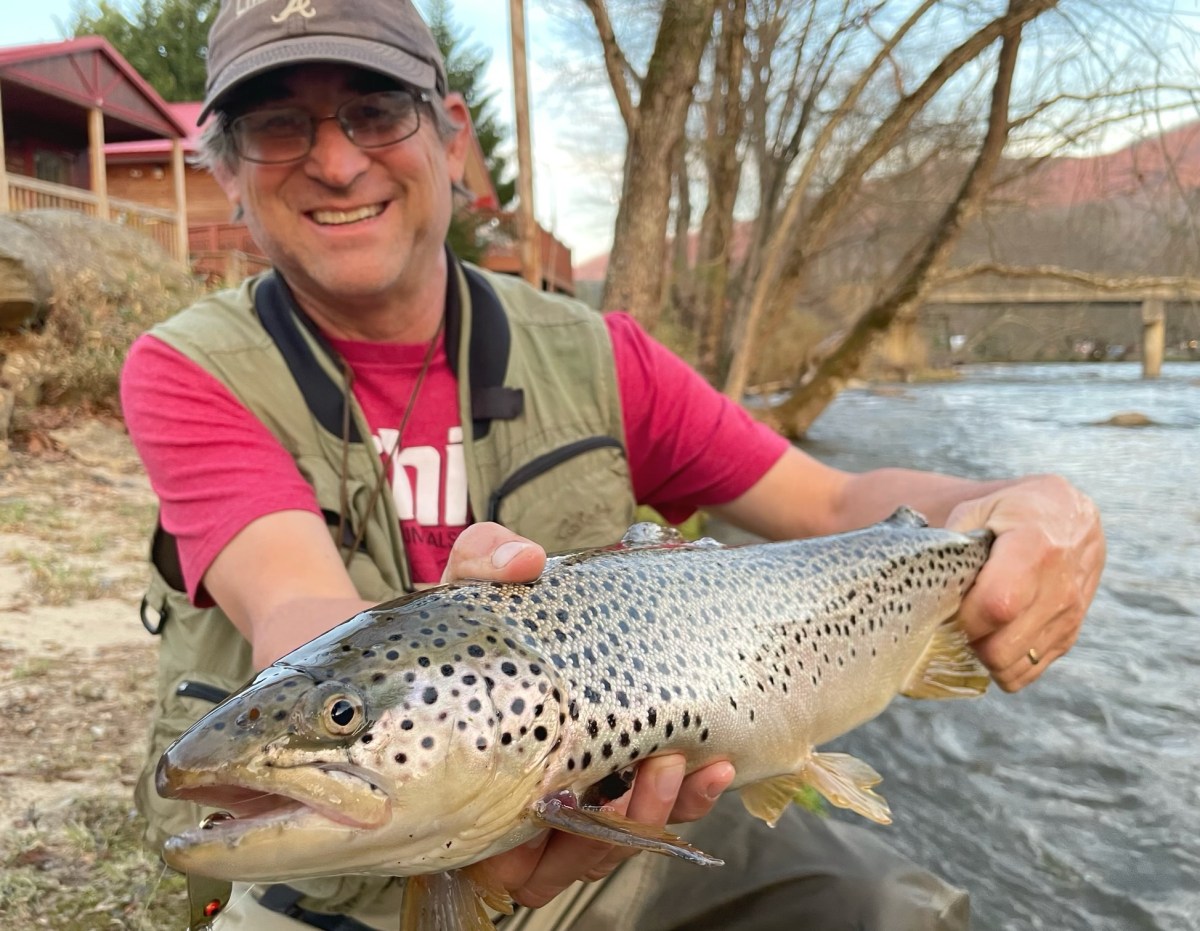
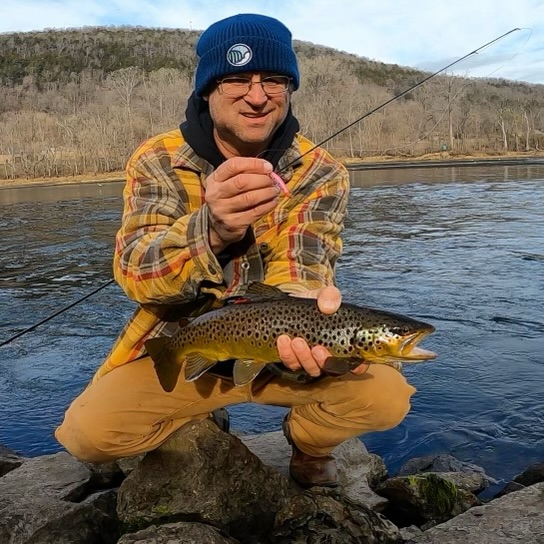
Brown trout caught from the bank from the White River in Arkansas.
5 Top Brown Trout Lures
Brown trout on a Rebel Tracdown Ghost Minnow
Smithwick Suspending Rogue
Tasmanian Devil
Rebel Wee-Crawfish
Rebel Tracdown Ghost Monnow
Great Lakes Finesse Juicy Hellgrammite
Use the code FOF15 for 15 percent off your entire order at Lurenet.com.


 Fishing on Foot