Summer Creek Bass Fishing

Mid-summer making lake-fishing tough? Head for a creek for hot bass action.

Mid-summer fishing can create challenges, especially for fishing without a boat. Many fish in lakes and ponds move to deeper areas, often well out of reach. At the same time, lake shores and pond banks commonly get more overgrown, creating challenges for accessing spots and casting.

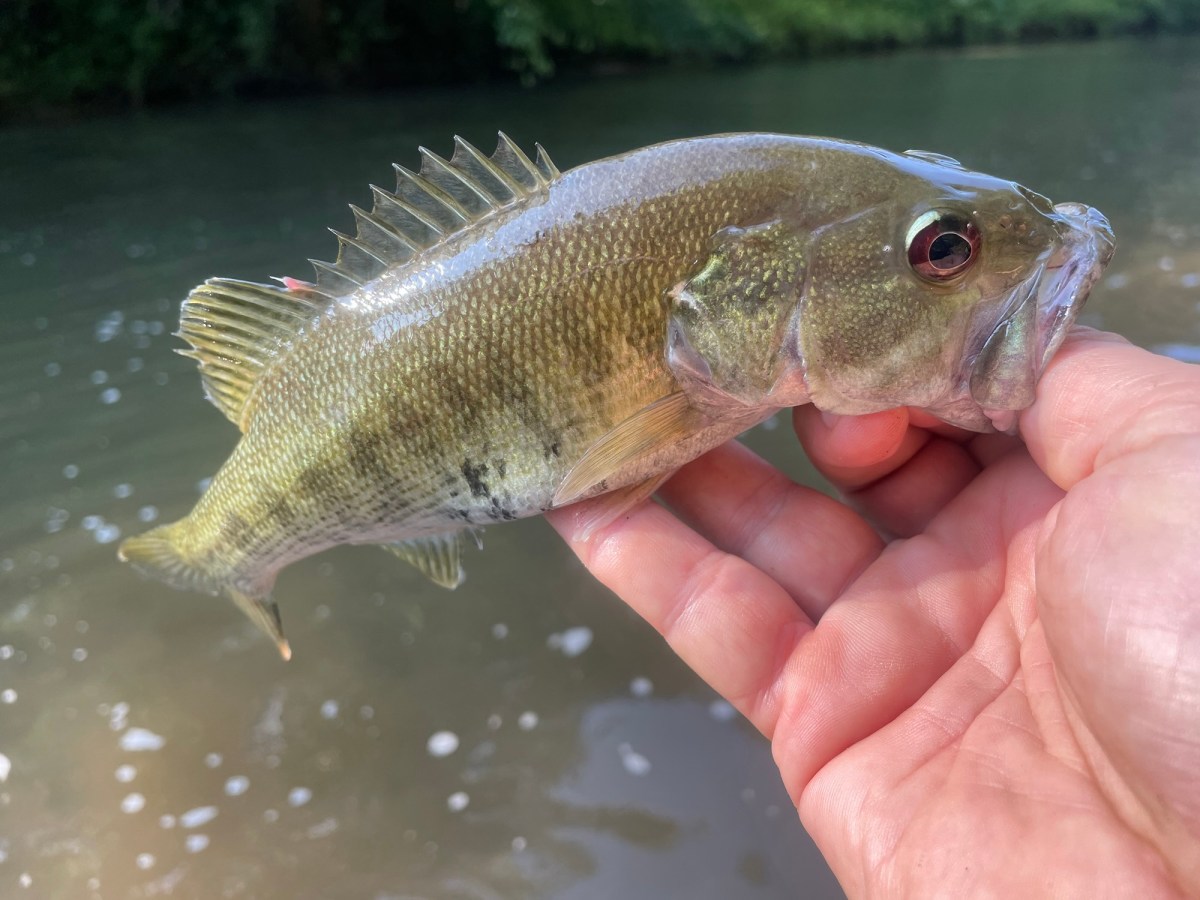
Don’t despair or put away your fishing gear, though. Mid-summer can be a fabulous time to wade creeks and small rivers to fish for various black bass species, plus whatever else bites. The cooler water feels great on a hot day, and the fish tend to feed actively and remain in easy reach for Fishing on Foot.

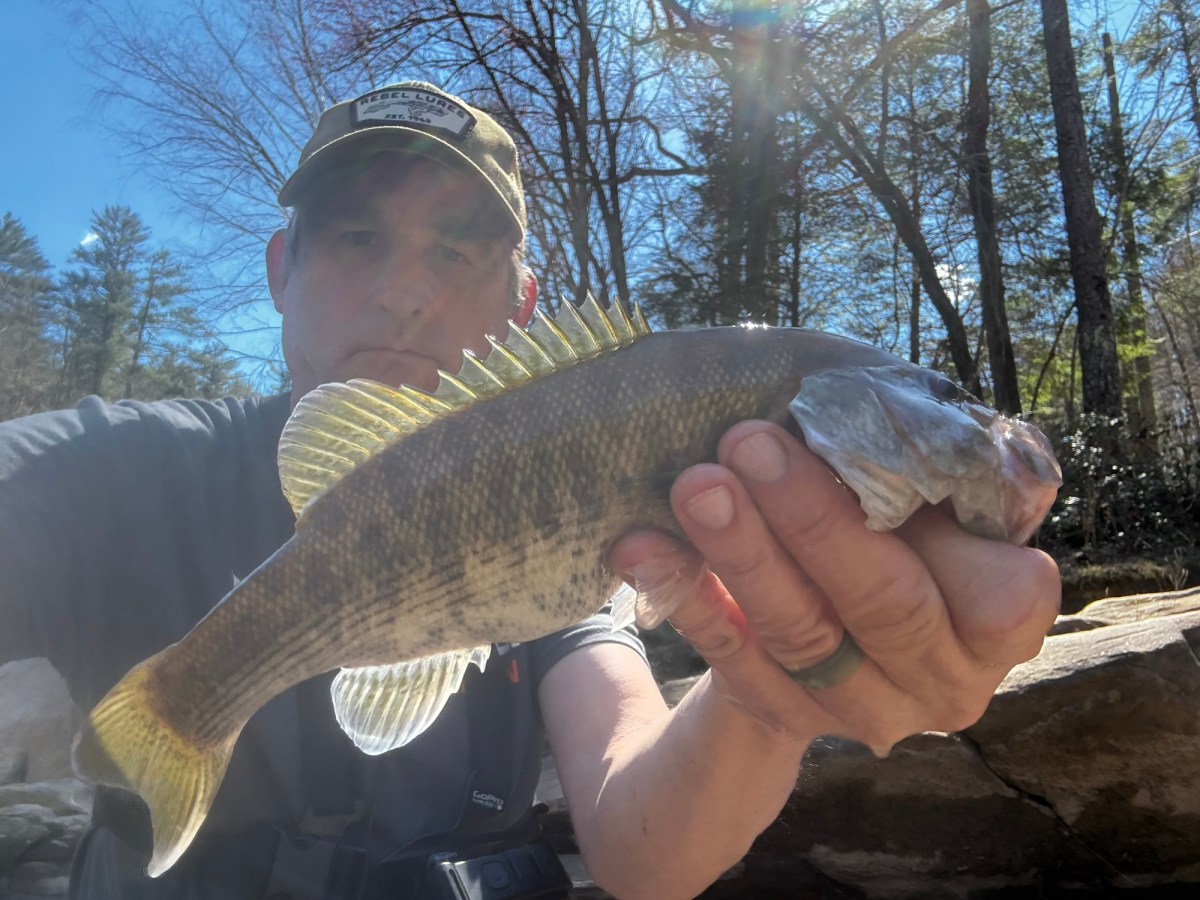
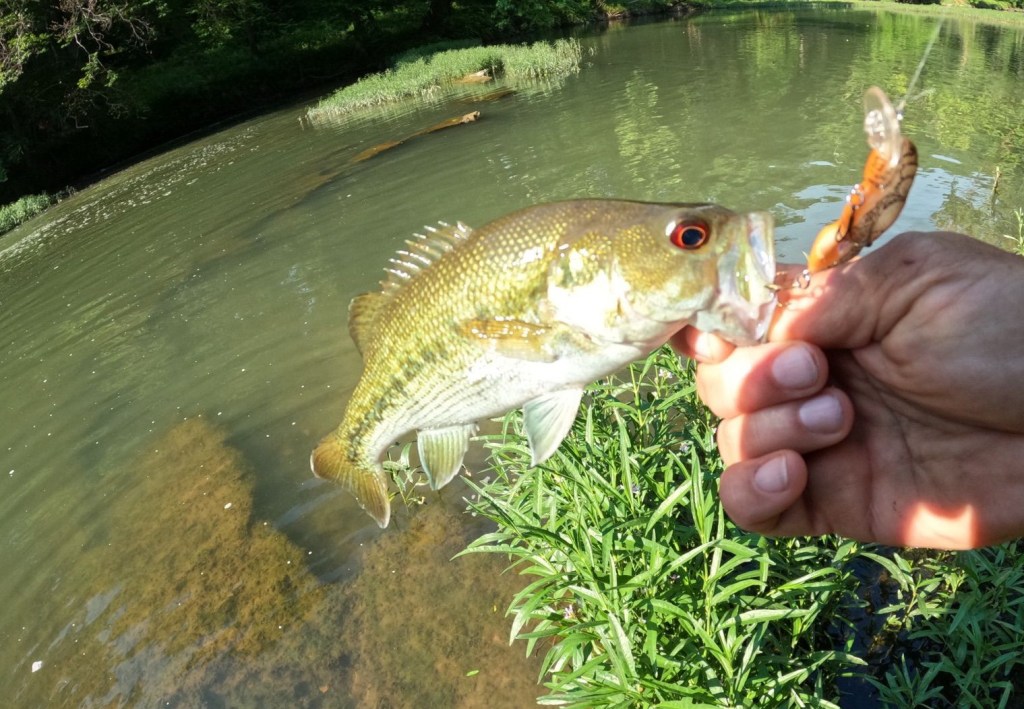
I’ve paid extra attention to stream opportunities over the past couple of summers because I have been pursuing the Georgia Bass Slam, and several species I’ve been after mostly live in creeks and small rivers. An example is the Bartram’s bass in the picture above.

Depending on where you live, streams might hold smallmouth bass, spotted bass, largemouth bass or regional species like shoal bass or Guadalupe bass. Unless you live in pure trout country, (or in a coastal area where silty bottoms, alligators or other factors take wading out of the equation), smaller streams around you probably provide opportunities for wading and bass fishing.

Rivers & Creek Access
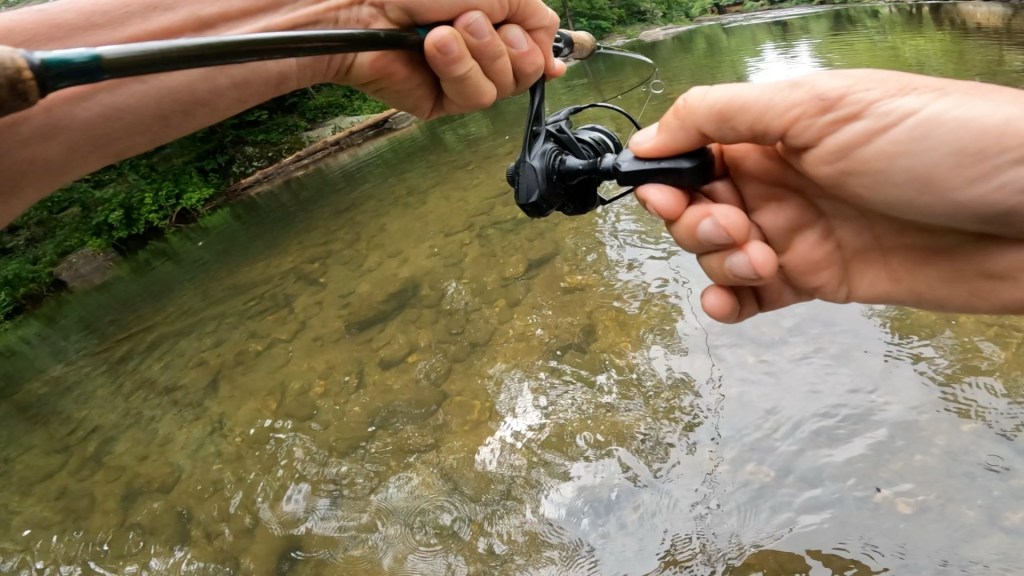
Because I like to wade-fish during summer, I mostly look for creeks and small rivers that have shallow sections. North Georgia, where I live, has a lot of rocky tumbling streams , so that makes it easy.

Several of Georgia’s bass species only live in parts of specific watersheds, so that has caused me to do a lot of Google Maps searching, following stream paths and looking for parks, greenways, canoe launches, national forests areas, etc. that provide public access and then switching to the satellite view to see what the stream looks like.

A few areas are busts. The bank is steeper and more overgrown than I could tell; it’s all too deep to wade; or it simply doesn’t look like good fish habitat. That said, I’ve been impressed by the number of quality fishing spots I’ve found, including some that aren’t far from home and that I hadn’t even thought about trying on the past.

It’s worth noting than in addition to legitimate, indisputable creeks, some waterways that would be better described as ditches can provide surprising opportunities. From the bank of a roadside ditch, try throwing out a little topwater lure and see what happens.

Creek Lures

I keep my lure selection small for this type of fishing, carrying a box or two that can go in a shirt pocket and maybe a few packages of soft plastic lures.

Small topwater lures, like Tiny Torpedoes, Zara Puppies and Crickhopper Poppers, are always in the mix and usually my starting lures. I’ll also carry a few small crankbaits, usually including a Rebel Crawfish or two, and a couple of minnow lures.

For plastics, I like to carry some small natural craw imitations like a Rebel LIVEflex Creek Craw and at a package of 4-inch YUM Dingers.

With that simple selection, I have everything I need for some fun and productive summer fishing.
Start of 2026 Georgia Bass Slam

Species No 1 for this year’s Georgia Bass Slam was a Bartrams bass.

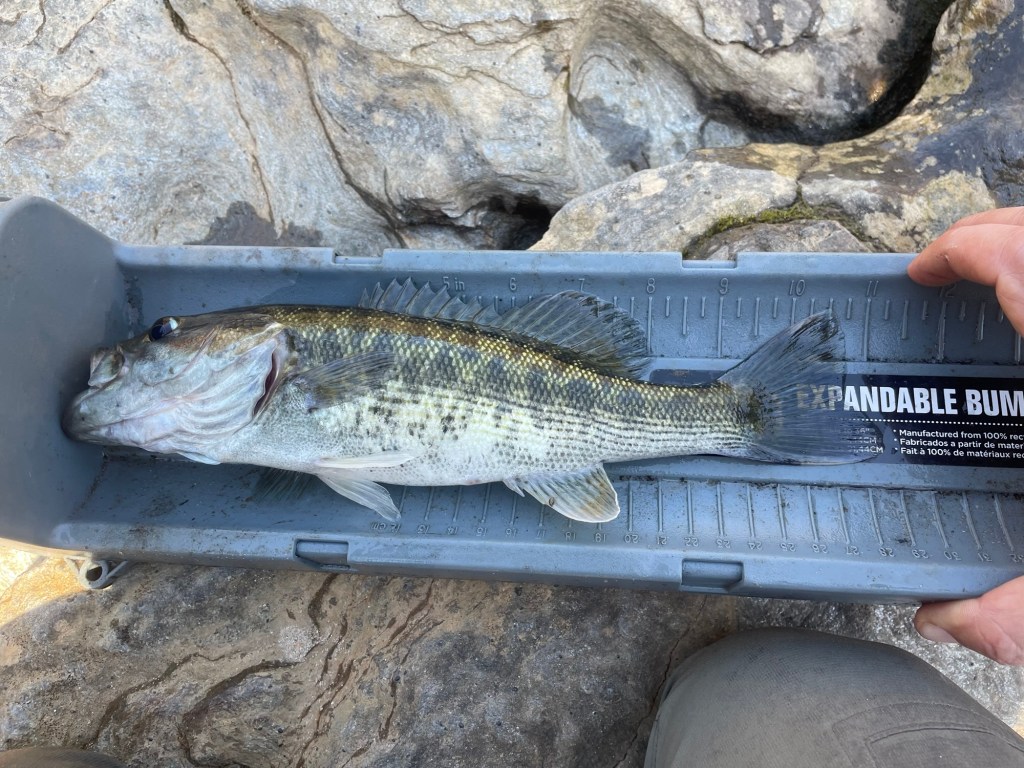
This afternoon I caught my first fish of this year that will qualify toward the Georgia Bass Slam: a 10 1/2-inch Bartrams bass. Of course, I caught it Fishing on Foot.

Last year I set a goal on New Year’s Day to achieve the Slam — all Fishing on Foot and on public land. The minimum number of species for achieving the Georgia Bass Slam is five, and I ended up catching seven in 2025.

I hadn’t stated that goal this year, and I still might not plan fishing trips around Slam needs as much this time around. I probably knew I’d end up seeking it, though, and I am pretty excited to have one species notched.

The Bartrams is admittedly among the easiest for me. I pursue them and catch some pretty much every year without any thought of the Bass Slam. It’s still fun to get this year’s effort underway.

Looking at all species caught — not just Georgia Bass Slam qualifying fish, today’s Bartrams bass was species seven for me, and a redbreast sunfish was number eight. I’ve actually caught largemouth, smallmouth and spotted bass this years, but they came from Alabama and Tennessee, so I still need all of those for the Slam.

What bass species will come next?

Bartrams bass from Northeast Georgia.

Waders or No Waders?

I suppose you could say I have a tolerate/hate relationship with waders.

As I trudged to the car with cold, wet feet from leaking waders, I thought about how much I dislike waders.

Don’t get me wrong, the poor maintenance and the pair I’d chosen to tote along that day were my own doing, and I really couldn’t have waded a mountain river on New Year’s morning without waders of some sort. Even when they keep completely dry, I simply don’t like the extra bulk and weight waders add or having to worry about stepping too deep.

Some people really don’t like getting pants, shoes and socks wet, and they wear waders year-round if they think they even might be stepping into the water. They reasonably like to just peel off the wet layer at day’s end and be fully dry. Some also seem to like fully gearing up to fish. Rocking waders, boots, staff, net and a vest loaded with gizmos and flies or lures just goes with stream fishing.

I’m the opposite. I’ll wear waders for true winter stream fishing or wading a big, cold tailwater, but if I can stand wading wet, that’s what I choose. I like to travel light and keep things as simple as possible.

Tending to Mending

I do need to do some wader repair. I own several pairs of different sorts, and a handful of them have leaks in one or both feet. At some point — probably this summer — I need to turn my them all inside out and fill them with water to find and repair the leaks and get rid of any pairs that are genuinely beyond repair.

I do own a few pairs of waders that I know don’t leak. None are my favorites, though. One is a fully neoprene pair with built-in boots. Beyond being a bit big for me, that pair is heavy and bulky — although less so than an insulated pair of duck hunting waders that also doesn’t have good traction for walking stream beds.

At the opposite end of the spectrum, some very old rubber waders have zero insulation value. They do keep me dry, but even without the tire patch from when I tore them many years ago, they are beyond ugly.

Soon our streams will reach a point where I can fish without waders, but in the meantime, I need to figure out which pair to wear next time I need some. I know it won’t be the pair I wore New Year’s morning!