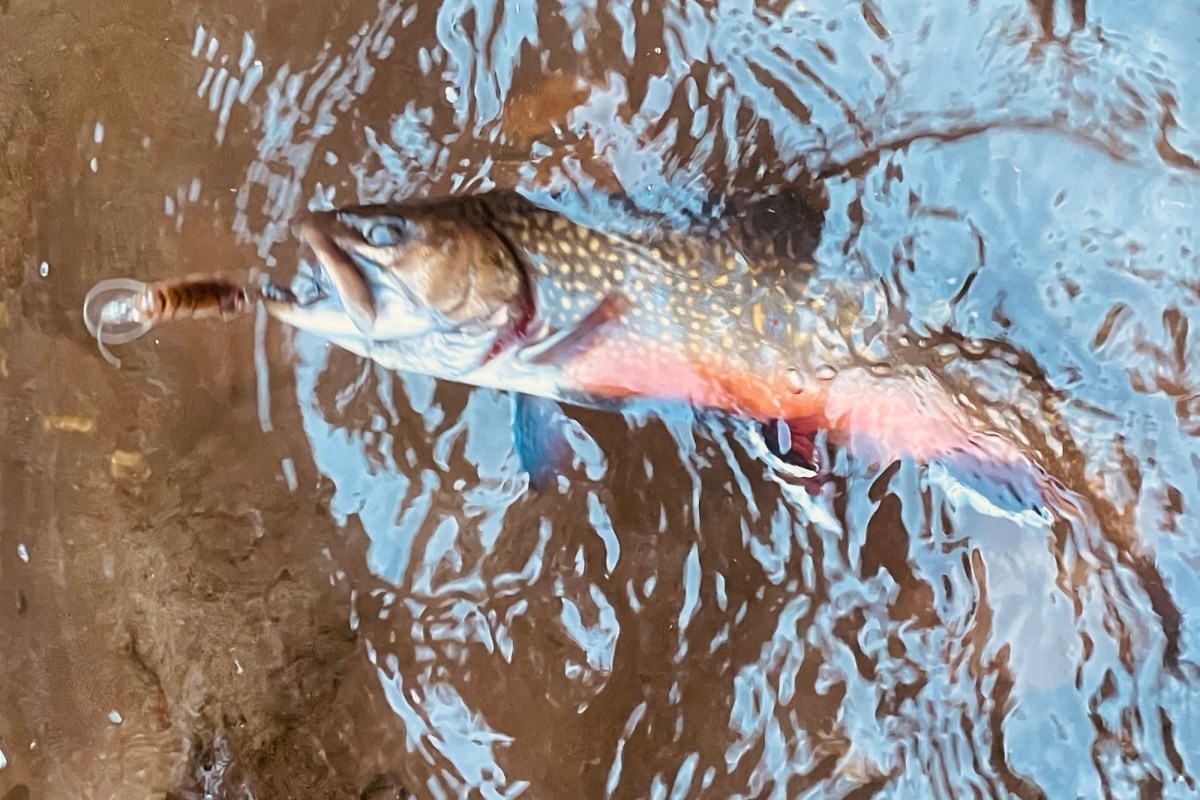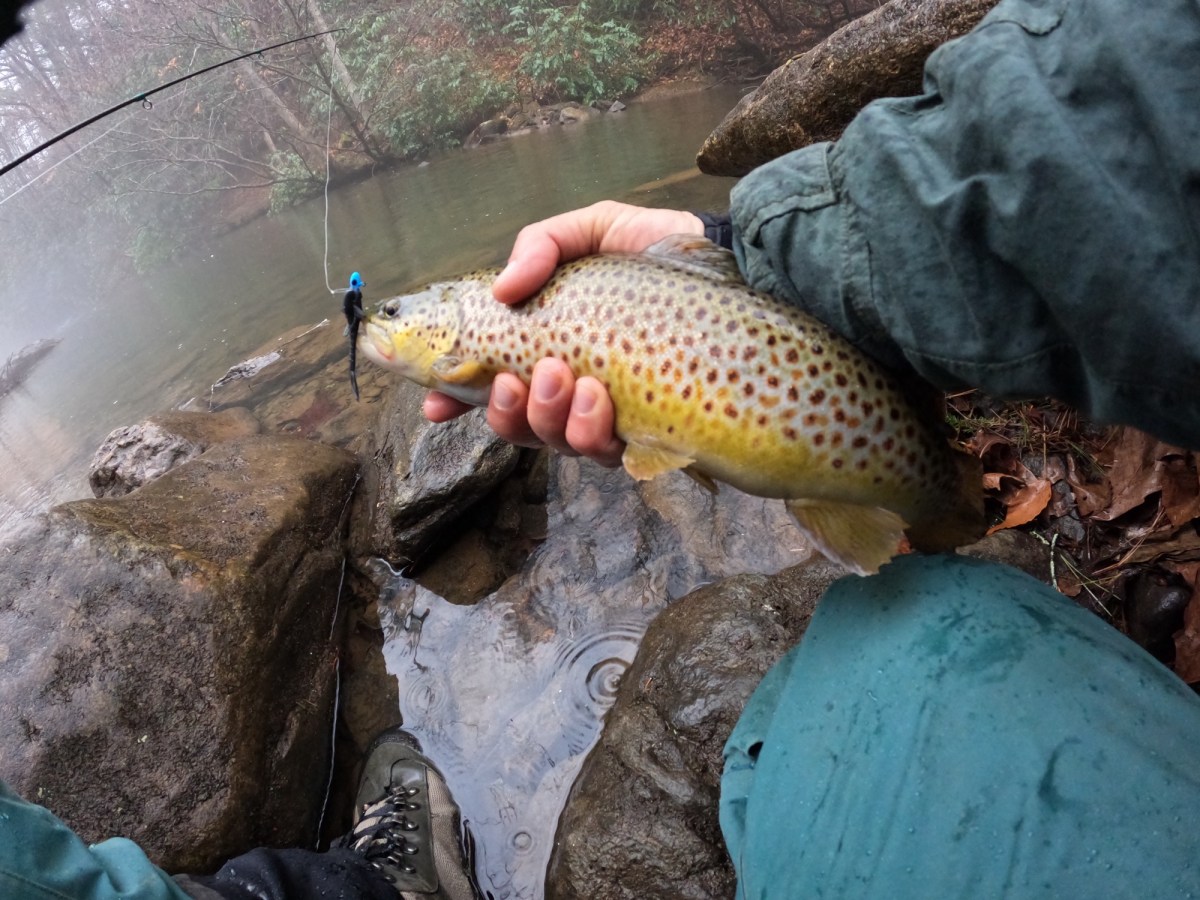
Drizzly Morning Creek Stop

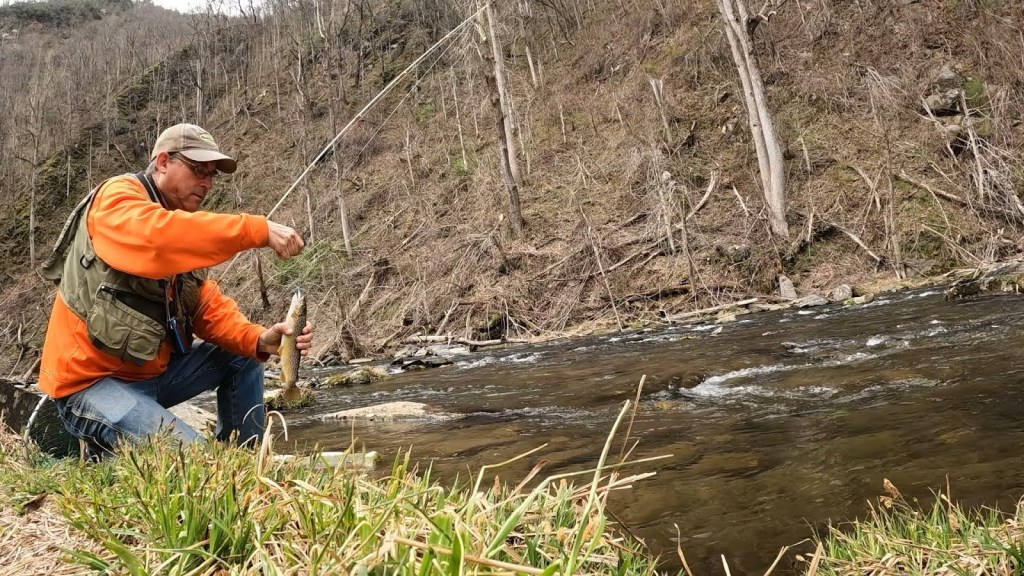
Waking up to a modest rain that had been falling a few hours and was forecast to gradually lessen, I couldn’t resist a quick creek outing.

I figured rainfall and continued cloudiness might make the brown trout a bit more active. More importantly, it was likely to lessen the number of other anglers at a popular creek I had wanted to visit.

Both were true, although in retrospect I wish I had mentally committed to a plan the night prior, gathered stuff at that time and gotten out the door before daylight. When I recognized conditions seemed right and started readying myself is when I really should have been out there in order to take advantage of the best bite window and enjoy a greater opportunity to fish with less company.

I did catch fish, and there were only a few cars when I arrived. The rain had already dropped back to a drizzle, though, and would soon taper off. As raindrops lessened, other anglers began arriving. I ended up making it a fairly short outing.

Creek Solitude
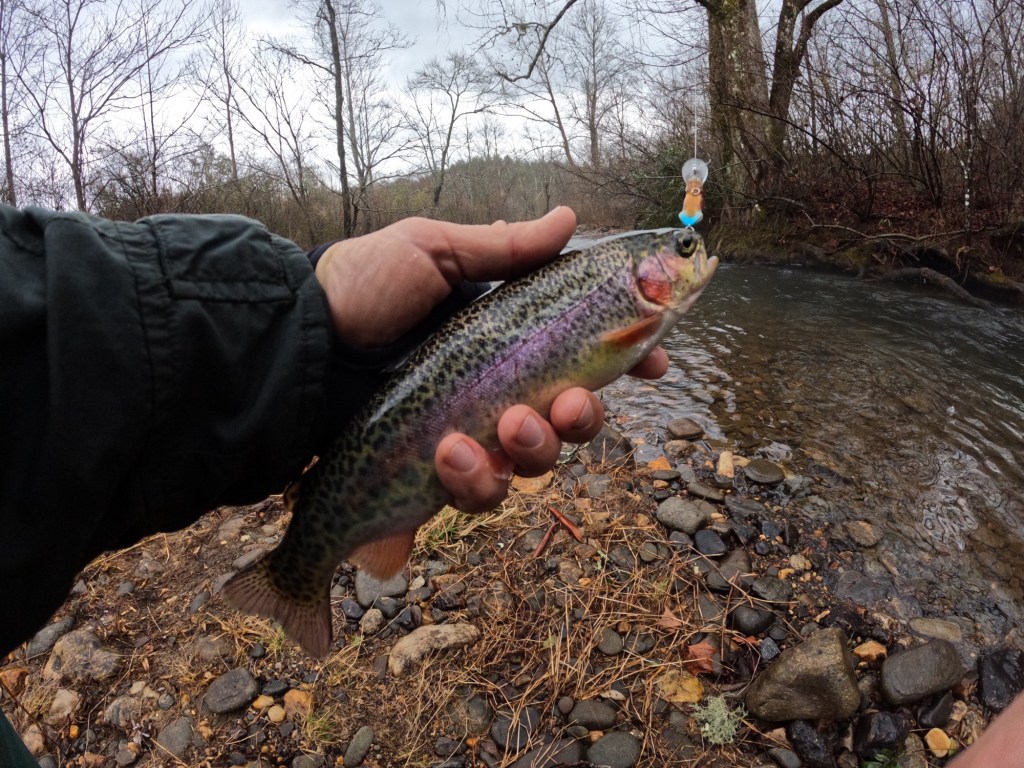
Mountain creek rainbow trout

Some fishing is social in nature, and the sense of community can even add value, from my perspective. Coastal piers, marina docks, surf zones during gamefish runs and some popular ice fishing spots have that quality. It’s a shared quest, and as long as there is space to set up and fish, having other anglers around can add to the experience.

That’s seldom (maybe never) my mindset with trout fishing. Excepting the company of friends I might go with any given day, I prefer solitude when I’m wading a trout stream.

I do fish popular stream sections by choice for the same reasons they are popular — easy access to good trout-catching opportunities. I do so despite other anglers, though, and do my best to choose the less popular times. I’ll also gladly walk farther to access less crowded sections.

In part it’s the total experience aspect. One of my favorite things about trout is the beauty of the places they live — and I like to at least pretend I’m a bit away from things when I’m wading a mountain stream.

It’s also a matter of how I prefer to fish. I’m a pretty mobile trout fisherman. I tend to stay on the go and explore a section of stream, more so than claiming a spot and continuing to work it. And when I keep turning bends only to find someone else, it just isn’t as fun for me.

So when that occurred the other day, I decided to head for the house. Well, that was the intent anyway. I did make one more brief stop at a less popular spot on the way home and added one more trout!
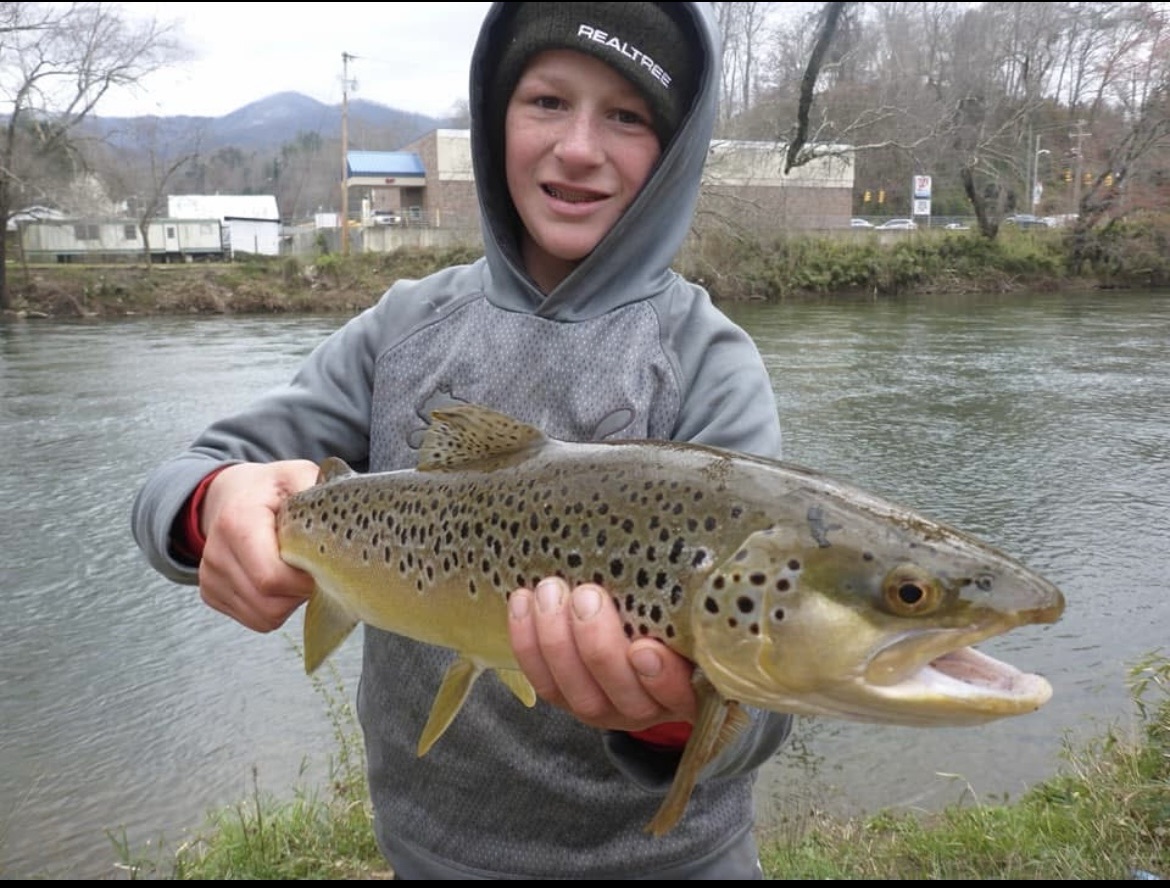
What are Delayed Harvest Trout Streams?

If you spend time around trout fishermen in the South, you’ll eventually hear talk about Delayed Harvest or DH trout waters and the fine fishing they offer, especially during the catch-and-release season, which occurs throughout the cooler months.

I always spend at least a few days fishing Delayed Harvest waters in Georgia or North Carolina between October and May.

Delayed Harvest regulations, which were popularized in North Carolina in the early 1990s, maximize fishing opportunities in waters that offer quality trout habitat from fall through spring but lose trout habitat when the water warms. They also effectively serve the interests of very different user groups among trout anglers.

Most Delayed Harvest stream sections have little to no natural reproduction and most were managed as nominal put-and-take fisheries, with only spring stocking, prior to the development of this management concept.

How Delayed Harvest Works

All trout fishing is catch-and-release during the “delay” part of delayed harvest trout management.

The way DH streams work is that they are heavily stocked through the cooler part of the year and open only to catch-and-release fishing with tackle restrictions from fall through late spring (Oct 1 through the first Saturday in June in North Carolina). This is when the habitat is best and these waters can support a high density of trout. The tackle restrictions (only single-hook artificial lures in North Carolina) allow for easier fish releases.

About the time the habitat quality would start diminishing, the regulations change, allowing for a limit of trout to be taken home and for fishing with bait and with treble hooks.

Without the harvest, not nearly as many fish could be put on these streams during the catch-and-release period because the habitat would not support the large numbers when the water started warming.

Specific regulations vary by state, but the concept is always the same. Waters in the program range from small creeks to big tailwater flows and vary dramatically in character.

Common denominators are that the fish tend to be plentiful during the release season (albeit increasingly educated at the season progresses), and opportunities to bring home a limit tend to be very good early in the harvest season.

For those reasons delayed harvest streams tend to be quite popular, so expect company and plan strategists accordingly.

Change Hooks for Special Regulations Streams

Switching hooks on small crankbaits and minnow baits opens a lot of options for fishing special regulations trout waters.

Many of my favorite trout streams, including delayed harvest waters in and a few Southern states and wild trout waters in North Carolina, can only be fished with single-hook artificial lures. Fly-fishing is the most popular approach on most of these waters, and spin-fishermen typically fish wish small jigs or they clip two of three points from the trebles of spoons or inline spinners.

My preferred approach much of the time — and one that often seems overlooked for special regs waters — is to fish with a small crankbait or minnow bait with a single hook rigged on the back split ring. Trout in these waters typically see a lot of the same fly patterns and small jigs and spoons with similar profiles, so a more aggressive imitation of a minnow or crawfish often prompts strikes and can be especially good for larger trout.

A few of my favorite specific baits for special regulations trout streams are a Rebel Teeny Wee-Craw, Deep Teeny Wee-Craw and Tracdown Ghost Minnow. The craws and minnows have very different profiles and actions, and the most productive one really varies with the fish’s moods from one day to the next.

All of these baits come with stock trebles that work great as trebles but would leave too little hook if trimmed to a single point. I like to remove both treble hooks and replace the back one with a short-shanked hook that is two or three sizes larger than the original treble hook. I do likewise with my favorite trout spoon – the Lindy Rattl’n Quiver Spoon, which comes with a single small treble hook.

I also like micro jigs for trout, especially when the water is extra low and clear. However, having several minnows and crawfish crankbaits rigged for single hook regular opens far more opportunities to fish the way I like to and to catch more fish.