Georgia Bass Slam Challenge

The Georgia Bass Slam provides a great opportunity to explore Georgia’s diverse bass fisheries and lends itself nicely to Fishing on Foot.

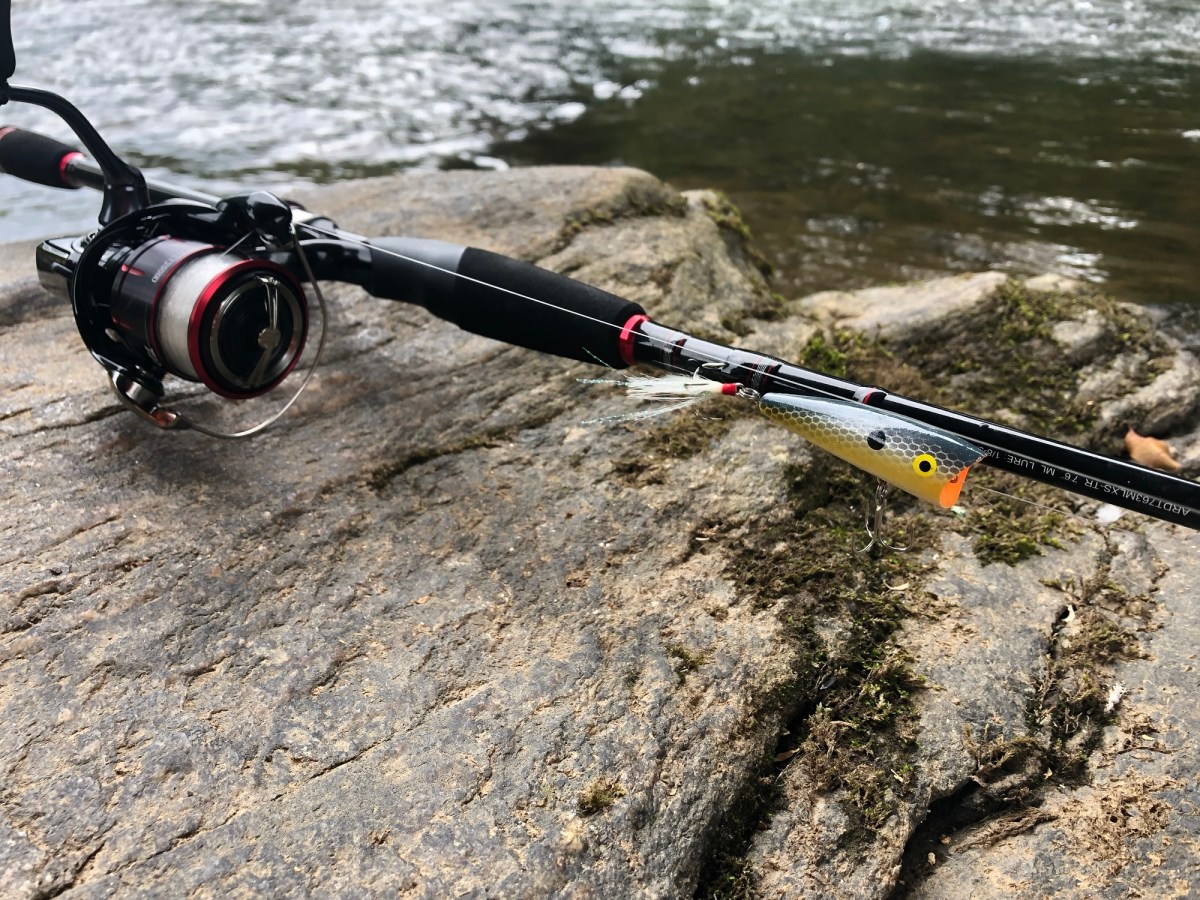
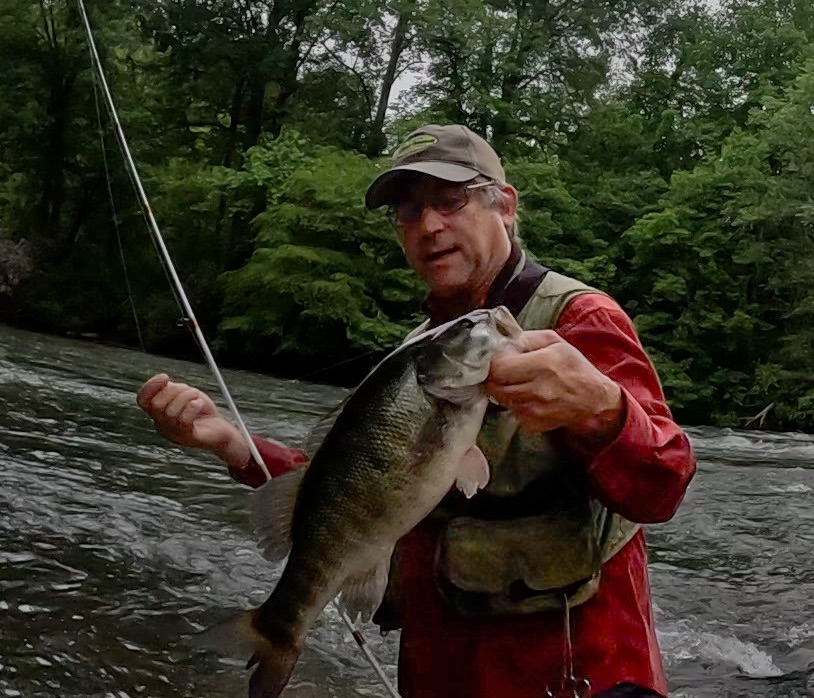
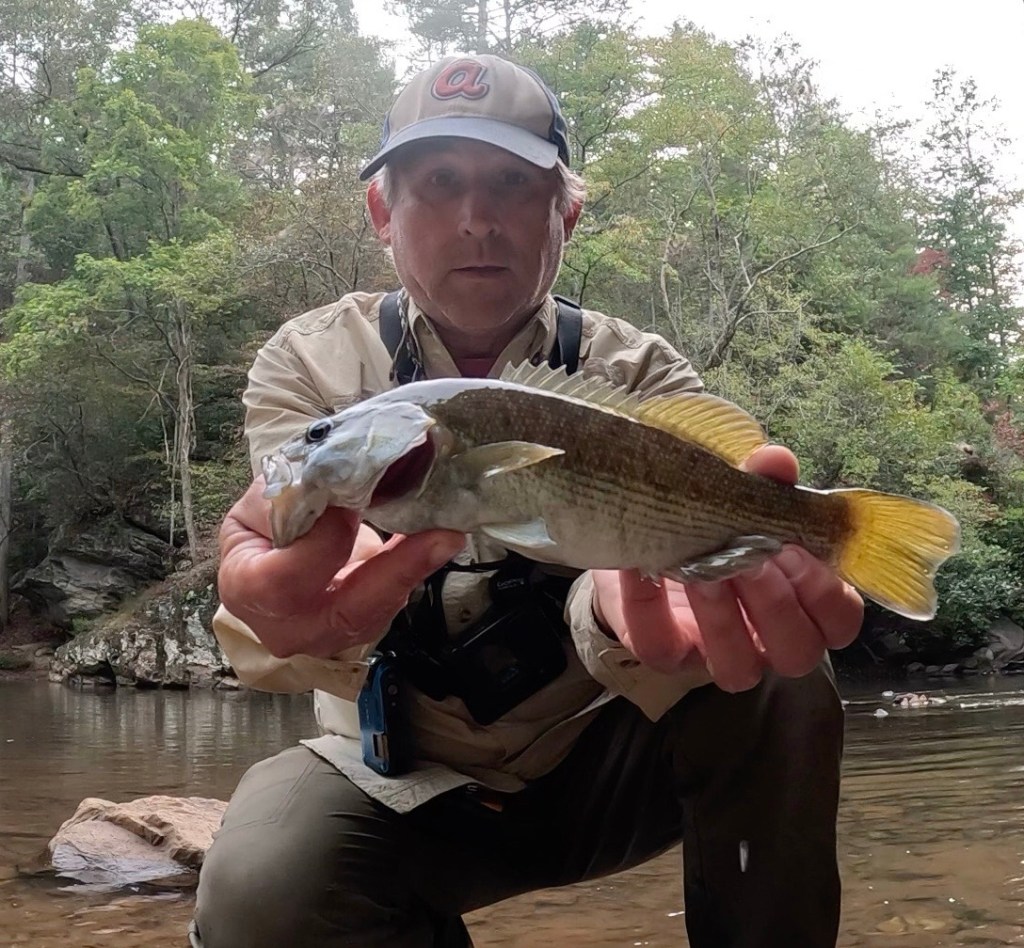
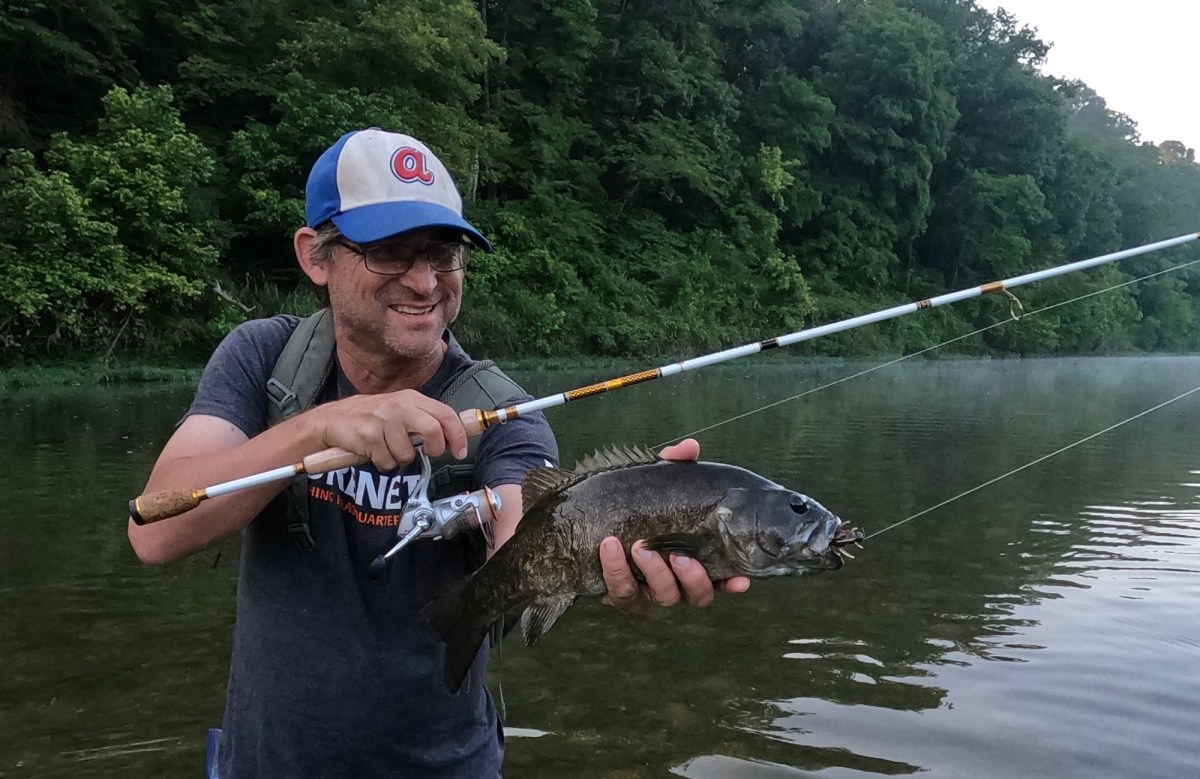
At the start of this year I set myself the challenge of trying to achieve the Georgia Bass Slam. Earning the slam requires catching at least five of 10 black bass species, all in Georgia waters where you have permission to fish and with a minimum size of 8 inches or the legal minimum size for the waters fished. I also self imposed the challenge of achieving the slam by Fishing on Foot, whether wading or walking the bank.

Mission accomplished. I ended up catching qualifying fish of seven bass species.

  • largemouth bass
  • Bartams bass
  • shoal bass
  • spotted bass
  • Chattahoochee bass
  • smallmouth bass
  • Coosa redeye bass

The three I didn’t get were the Tallapoosa bass, Altamaha bass and Suwannee bass. I did catch one Tallapoosa bass, but it was less than 8 inches in length. I never found my way to waters where the other species live.

About the Georgia Bass Slam

Coosa redeye bass

The Georgia Bass Slam was established to create a fun challenge for anglers and to raise awareness about Georgia’s diverse black bass fisheries.

Georgia has 12 distinct black bass species. Two pairs of species are looked at together for the purpose of the slam, both because of the difficulty of field identification and because of extensive hybridization outside native range. Largemouth bass and Florida bass are treated as one species for the slam, as are spotted bass and Alabama bass.

To certify qualifying fish, you simply submit a photos of the fish on a measuring tape and one of you with the fish and list the species, county it was caught from, length and your name and fishing license number.

Anglers who achieve the slam receive a prize packet and have their names listed on the Georgia Bass Slam page of the Wildlife Resource Division website and at the GO Fish Education Center.

Georgia Bass Slam Page

My Bass Slam Experience

For me the bass slam was a fun challenge, and I certain I’ll try it again and see if I can notch any of the other species. You’ll find videos about all of this year’s catches on my Fishing on Foot YouTube channel.

I really enjoyed learning about the different species and their behavior and studying the range and habitat of each to figure out where I might be able to find and catch them. A few of the species I’d never targeted before.

It was also fun exploring new waters, including some really good spots that were pretty close to home that I had never fished before.

Speckled Trout Nights on Big Pier 60

Overnight pier outings in my late teens and early 20s will forever remain some of my all-time favorite fishing trips.

Most evenings I’d arrive at Big Pier 60 a bit before sunset, toting an already rigged medium-weight spinning outfit and carrying nothing else, except one spare lure packet in a pocket. I’d roam back to the car to head home just after sunrise, carrying the same stuff, possibly minus the spare lure packet.

No bucket, tackle box, stringer, cooler or anything else. I’d fish all night with the same lures, never keeping any fish – although occasionally I’d give trout to other pier anglers who were nearby and wanting fish to take home.

Most outings were solo. Kind of, anyway. Pier fishing is a community experience. When someone hooks a good fish, a flash mob of coaches and assistants forms, and when a really big fish finds its way onto the pier, everyone grabs at least a little ownership in their own minds.

That was extra true on Pier 60 if anyone ever landed a snook, but that’s another topic for another time.

My Trout Rig

My lures never varied. Hot pink, straight-tailed Love’s Lures, which were small grub-like baits that were sold tandem rigged on jigheads.

Love’s Lures was a Florida brand. It went away years ago, but the baits were once quite popular in the Tampa Bay Area and worked very well, especially for trout. I’m pretty sure some Florida anglers still generically refer to tandem grub rigs as love lures.

I hadn’t thought about it before, but I’m sure my extreme fondness for tandem jig rigs began to form on Big Pier 60.

Pier Night Plan

The trout would feed at night beneath lights that were aimed at the water on both sides of the pier for the purpose of concentrating feeding fish. I would move from light to light, looking for trout and for baitfish, and trying a few casts, at least, whether or not I saw fish.

Depending on where I found fish and how they bit, I might hop from light to light throughout the night or end up mostly camped in one spot. That’s partly why I traveled light. I wanted to remain mobile!

Sometimes I’d vertical jig right in front of a visible fish to coax a strike. More often I’d make an underhand cast across the lit area or parallel to its edge, let the lures sink a few seconds and then dance them by twitching the rod tip as I reeled slowly. It was a pattering game. No switching lures. Just changing cadences, depths and rod movements and figuring out how the fish were positioned and how they wanted the lures moving that night.

Some nights shallow lights produced the best action. Other nights, deep ones. Likewise, the fish could be mostly on the left or right side or evenly distributed. Overall action also varied. I always caught fish, but some nights I caught LOTS of fish.

I’m certain those variances related to conditions, season, tide stages and other factors that probably made sense. I didn’t think much about such things, though. I went whenever I could, stayed all night and searched till I found the fish.

Pier Trout

I sought and mostly caught speckled trout, but also a mix of other species, like ladyfish and butterfish. The trout were seldom large, with most in the 10- to 14-inch range.

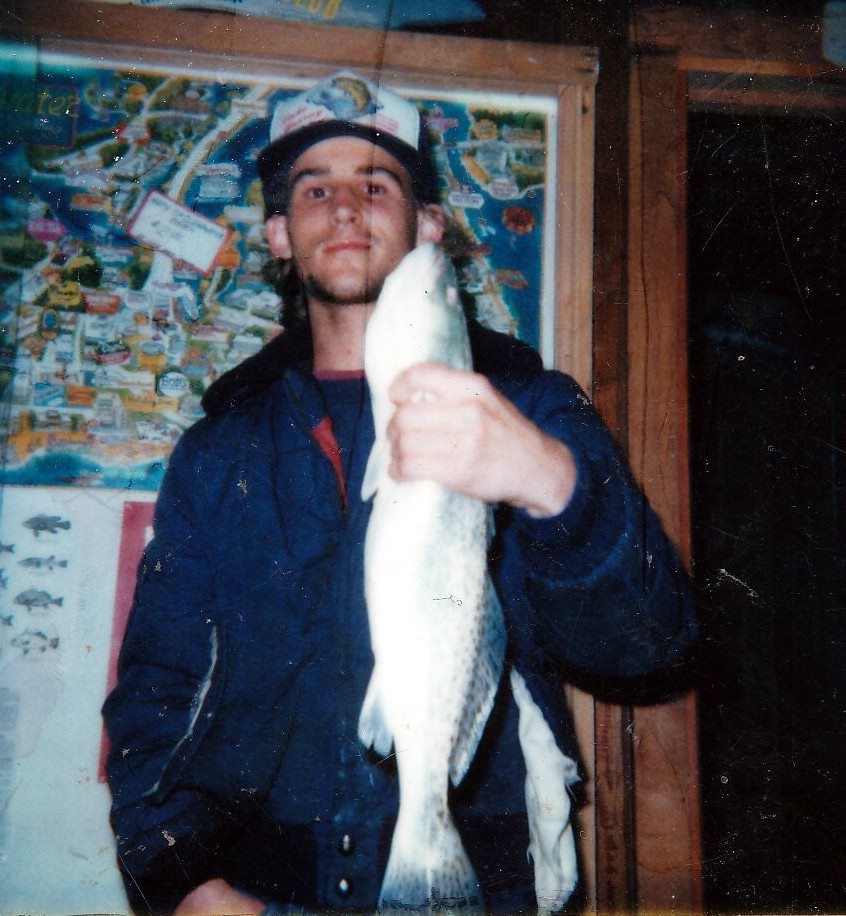
The fish in the photo on top was the best one I ever caught on a pier outing. I think it was 17 or 18 inches long and weighed about 3 pounds. Someone from the pier crowd ran and got the attendant, who wanted a photo for the bulletin board. He snapped a second one and gave it to me.

I won’t deny I was pretty proud of my fish and mug making the bragging board. It remains one my favorite photos of me with a fish, but not because of that specific fish. It reminds me of magical pier nights that were far more formative than I realized for a long time.

Fishing on Foot Blog

Fishing on Foot began as a YouTube channel in September 2023 but its origin goes much farther back. I’m a lifelong, all-species angler and have always had an extra fondness for fishing that could be done on foot, whether wading or walking the bank.

I grew up in a non-fishing family, but was fortunate to be in the Tampa Bay area and had plenty of places where I could fish without a boat. First, ponds and creeks I could walk to or ride my bike to and then piers, bridges and wadeable saltwater areas.

As a fishing writer I’ve had opportunities to fish all over the United States and in a few other countries, at times with guides and pro anglers. However, many of my favorite outings are the ones I do on my own two feet, whether wading a trout stream, standing on the surf, walking a pond bank or even walking on a frozen lake.

Through my YouTube channel and this blog, I want to share great angling opportunities that don’t require a boat, blogging about specific outings and providing details on destinations, fishing techniques, gear and more.

Thank you for reading. Please check out Fishing on Foot on YouTube!

-Jeff Samsel