Brown Trout Aren’t Like Other Trout

Understanding how brown trout differ from other trout species allows you to fish for them more effectively.

If you want to be successful catching brown trout, the first step is to recognize that browns are different from other trout. Understanding their unique “personality” can help you fish for them more efficiently.

From the onset I should acknowledge that I’m not a biologist, so this isn’t a scientific life science breakdown. That said, I’ve had the opportunity to spend substantial time with top trout anglers and have spent quite a bit of time reading about brown trout and interviewing biologists for magazine stories.

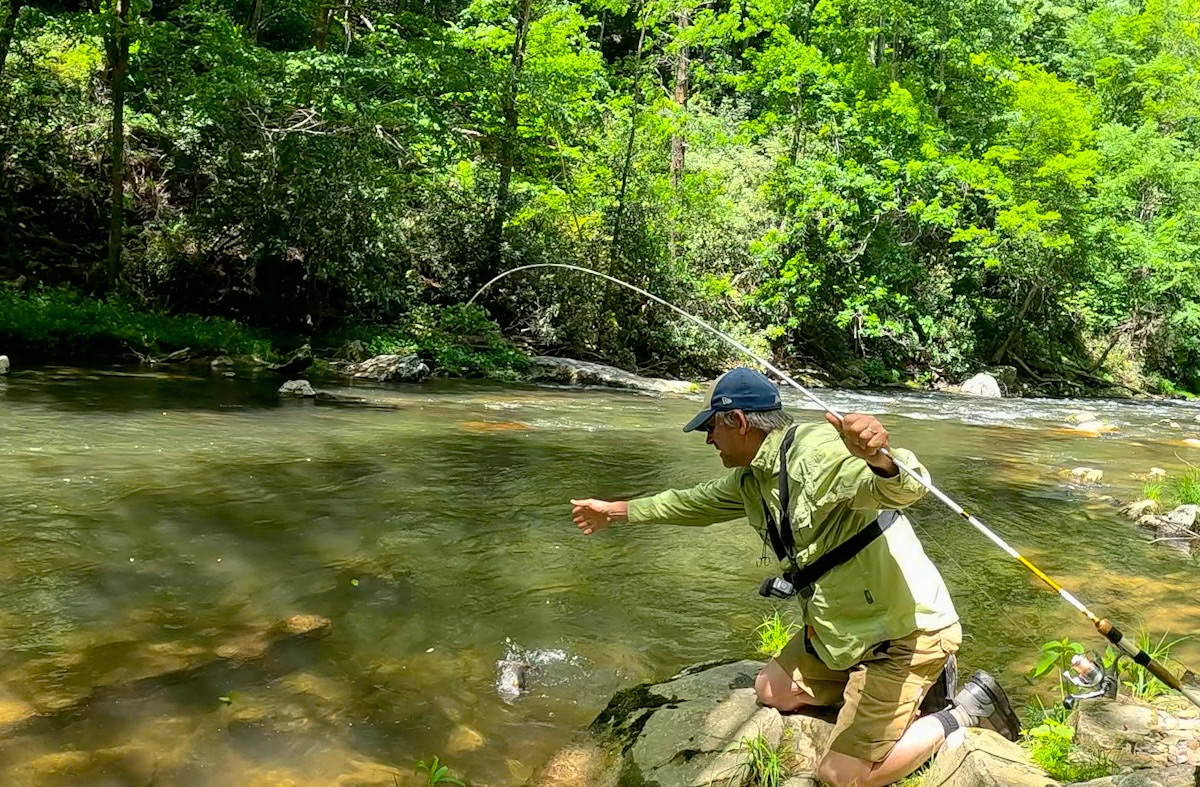
More importantly, I’ve invested my share of hours in creeks and rivers across the country and have seen for myself where brown trout lurk and how they behave.

Brown Trout Distinctives

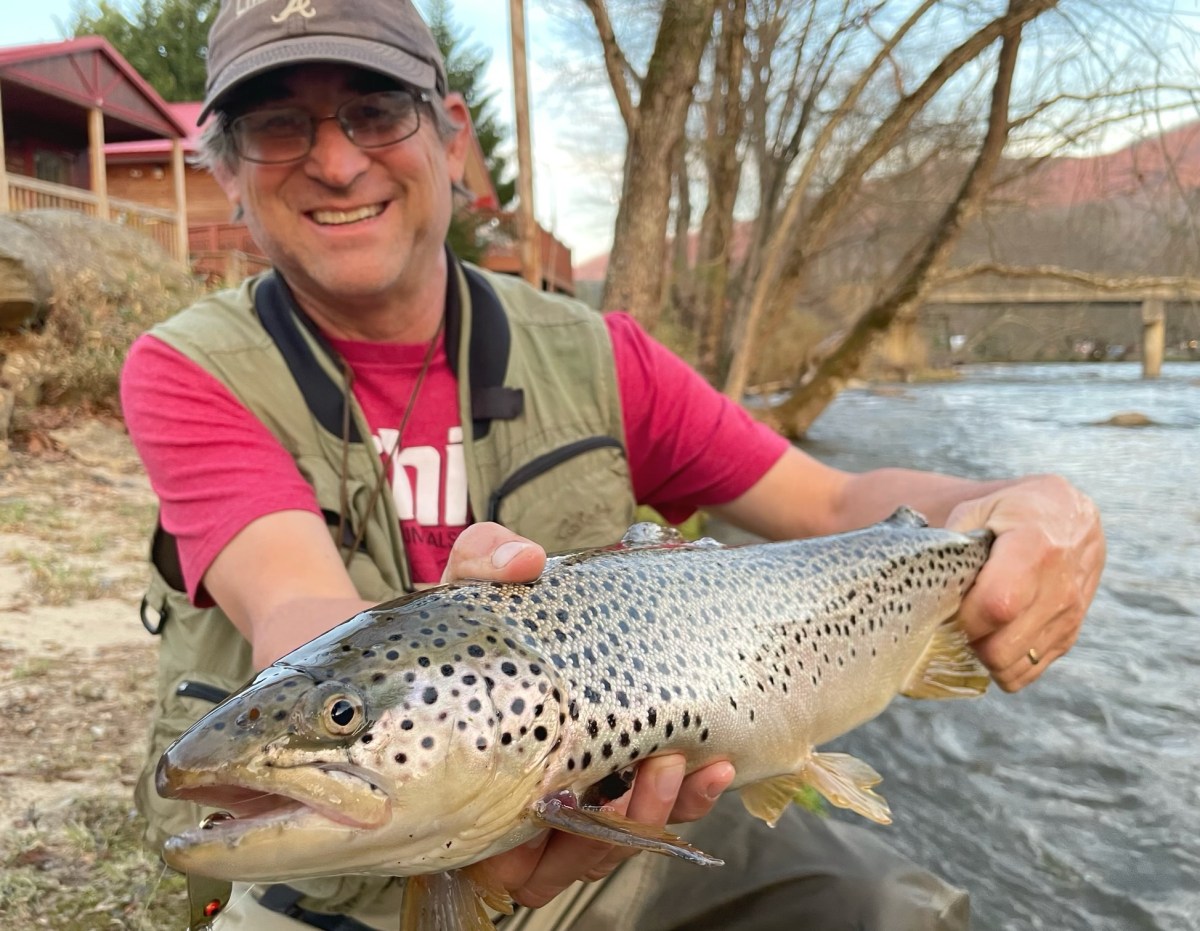
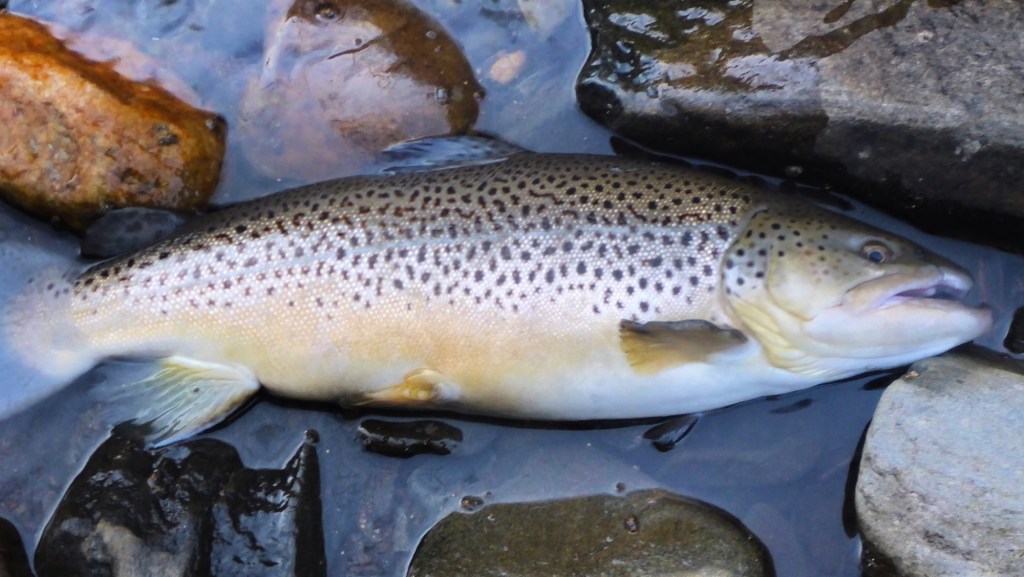
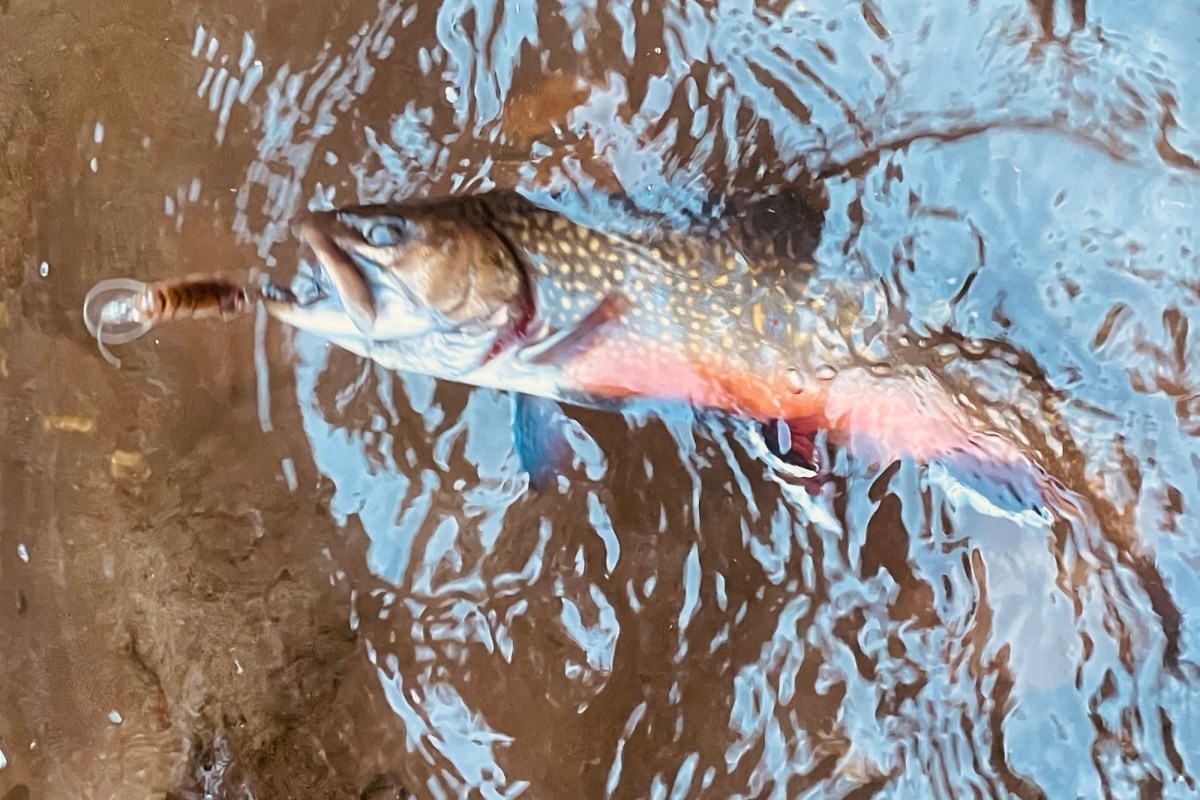
Brown trout from an Appalachian stream.

More so than other trout, brown trout avoid current. They’ll often hold near current, within ambush range, but in a hard eddy. They relate heavily to cover, whether that’s a boulder or a downed tree, and tend to hold in the toughest place for making good presentations and getting them out of one does bite.

They also avoid bright light when possible, lurking in shady undercuts and feeding best early and late and on dreary days. Mature browns are actually largely nocturnal. They can be coaxed into biting by day but do most of their hunting under the stars.

Brown trout also favor larger meals than most other trout, feeding heavily on minnows, sculpins and other fish along with crawfish and large aquatic and terrestrial insects.

Browns also seem to be the most wary of the trout, and that only increases with age. If a mature brown becomes aware of you, the chance to catch it diminishes dramatically.

As a final note, larger browns, especially, tend to be loners. Unlike rainbows, which will stack up in a good feeding lane, a big brown is apt to own a dark undercut bluff hole or might be a part of a small, loose group in a major pool in a large river.

I’ll save fishing tactics for future posts, but if you intentionally consider how browns differ from other trout in their behavior, the spots to target and best tactics become far more intuitive. I will list a few of my favorite brown trout lures below.

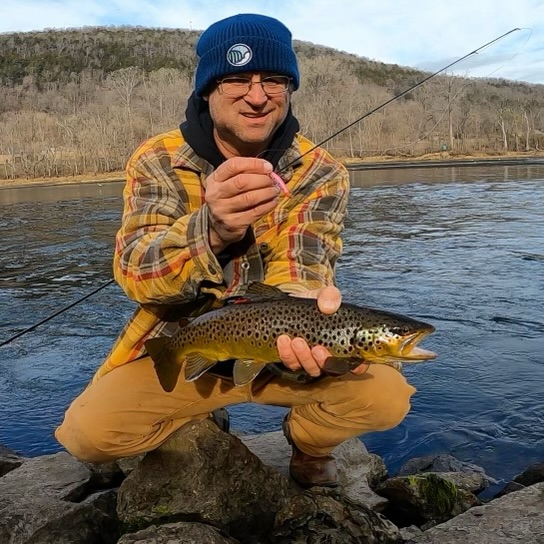
Brown trout caught from the bank from the White River in Arkansas.

5 Top Brown Trout Lures

Brown trout on a Rebel Tracdown Ghost Minnow
  • Smithwick Suspending Rogue
  • Tasmanian Devil
  • Rebel Wee-Crawfish
  • Rebel Tracdown Ghost Monnow
  • Great Lakes Finesse Juicy Hellgrammite

Use the code FOF15 for 15 percent off your entire order at Lurenet.com.

Double Mayfly Rig for Crappie, Trout & More

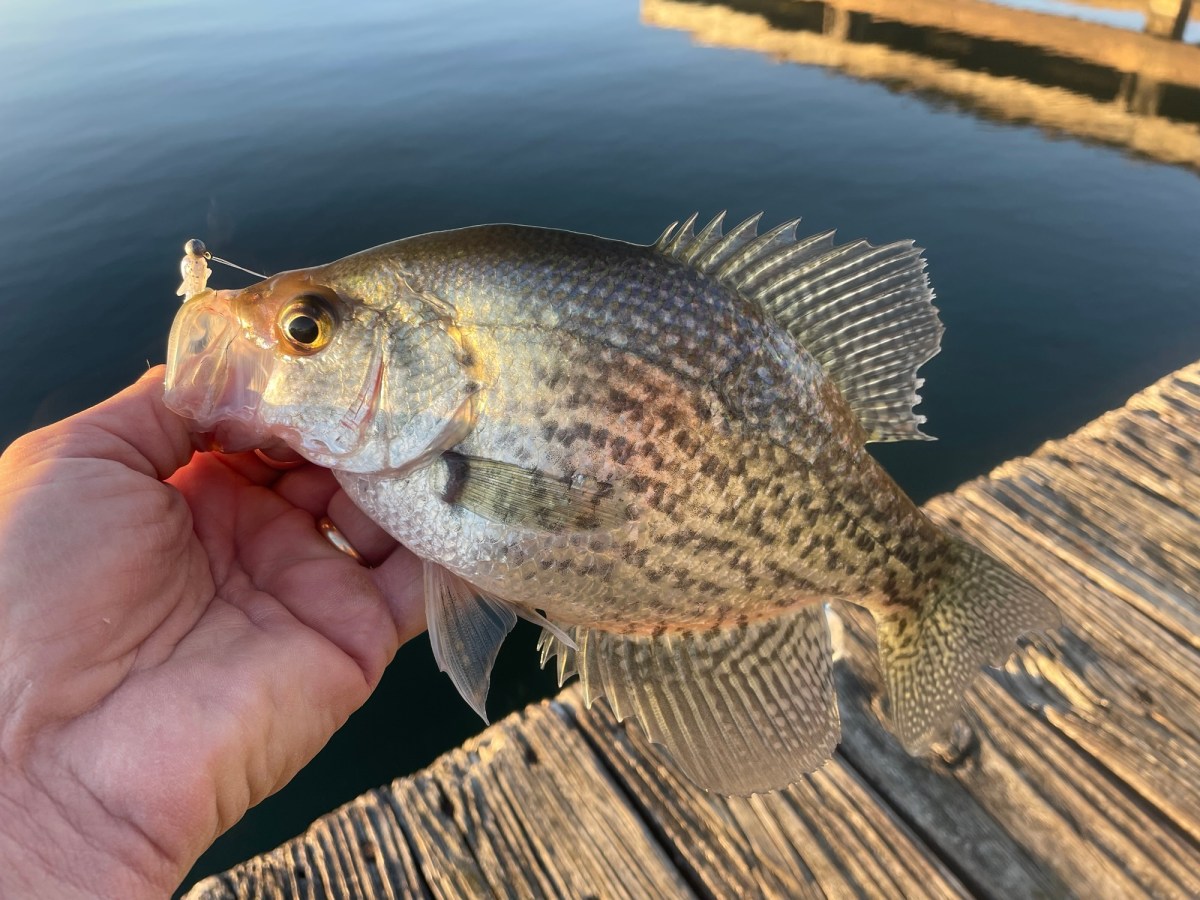
Tandem jig rigs provide a host of advantages for many fishing situations, so I use them quite a bit, including a variety of configurations. Recently, I’ve made extra heavy use of a specific double Mayfly combination, especially when I’m wading a trout stream or walking a riprap bank or dock to fish for crappie.

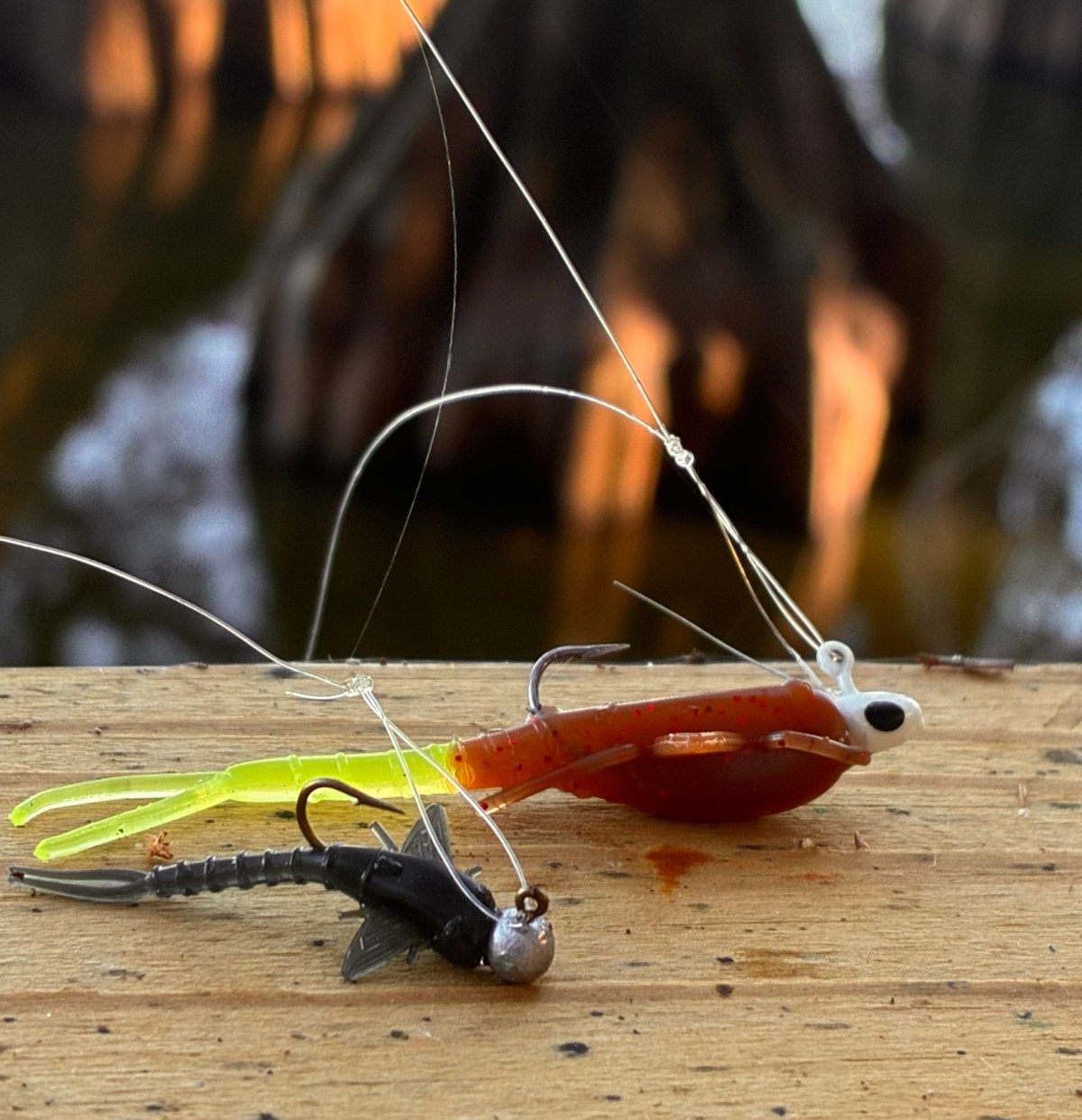
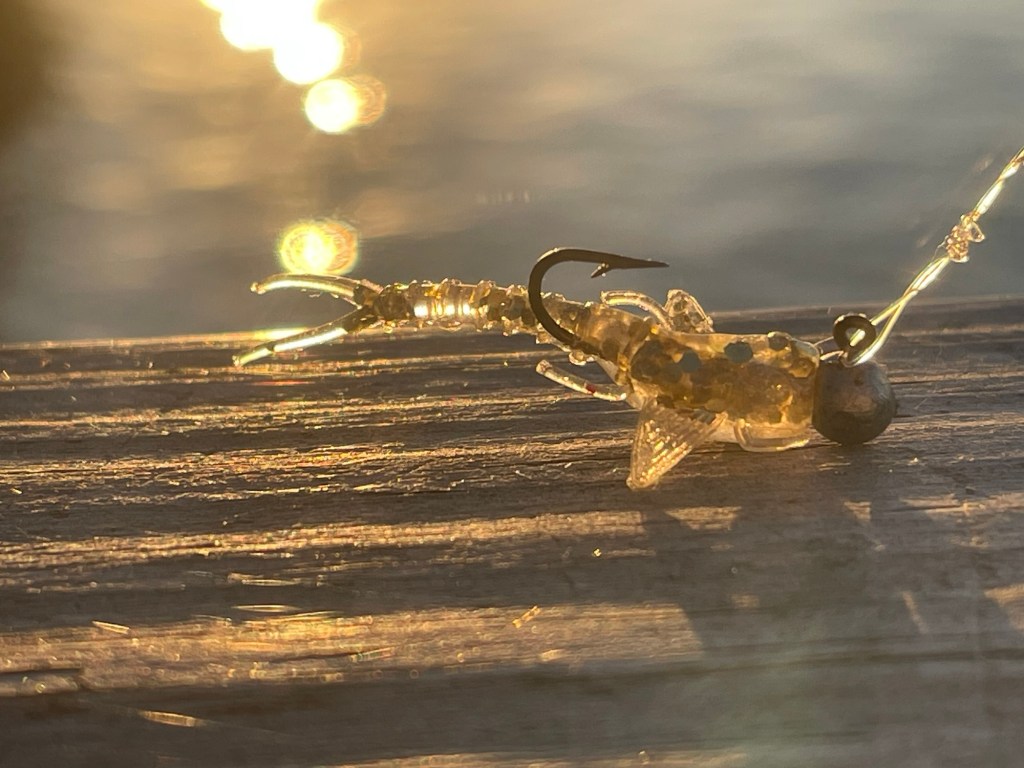
The specific combination is a Bobby Garland Mayfly, which is 2.25 inches long, and Itty Bit Mayfly, which is 1.25 inches long. The bigger one goes in front and is on a slightly heavier jighead. It sinks first, often getting fish’s attention, with the irresistible tiny one then falling into the zone.

I like big/little combinations with the same shape of bait because they move the same ways in the water, and in trout streams or around crappie cover I especially like the Mayfly shape because aquatic insect nymphs are often prevalent forage that the fish are used to seeing and eating.

Rigging Specifics

I tie both jigs on using loop knots to free the action and get the bait away from the line and typically space them about 18 inches apart.

I’ll rig the larger front one on a 1/16- to 1/32 ounce jighead, with depth and current dictating the specific weight, and the smaller on a 1/48-ounce Itty Bits Jighead.

Often I’ll match the colors, but at times I’ll mix them up, and if one far outperforms the other, I’ll switch the color of the other to match to try to determine whether size or color has been the difference maker.

Fishing the Double Mayfly

In trout streams, I fish mostly near the bottom and let the current do the bulk of the delivery work to match what the fish are used to seeing. I’ll orient casts upstream, let the rig sink as it drifts, and then reel and use gentle upward lifts of the rod tip. I lift just enough to keep the bait from dragging and hanging and to add a bit of wavering action.

For crappie (and other lake fish), I’ll either pitch the rig and let it swing down, or suspend it straight beneath the rod tip and experiment with different movements and with holding the rod tip completely still.

The best presentation varies daily, but as a rule, adding less action produces best. Both Mayfly baits have a natural shape and very enticing subtle wavering action when held still or barely twitched.

Bobby Garland Mayflies and Itty Bit Mayflies are available from many outdoors retailers, including Lurenet. Use the code FOF15 at checkout for 15 percent of your entire order at Lurenet.

Change Hooks for Special Regulations Streams

Switching hooks on small crankbaits and minnow baits opens a lot of options for fishing special regulations trout waters.

Many of my favorite trout streams, including delayed harvest waters in and a few Southern states and wild trout waters in North Carolina, can only be fished with single-hook artificial lures. Fly-fishing is the most popular approach on most of these waters, and spin-fishermen typically fish wish small jigs or they clip two of three points from the trebles of spoons or inline spinners.

My preferred approach much of the time — and one that often seems overlooked for special regs waters — is to fish with a small crankbait or minnow bait with a single hook rigged on the back split ring. Trout in these waters typically see a lot of the same fly patterns and small jigs and spoons with similar profiles, so a more aggressive imitation of a minnow or crawfish often prompts strikes and can be especially good for larger trout.

A few of my favorite specific baits for special regulations trout streams are a Rebel Teeny Wee-Craw, Deep Teeny Wee-Craw and Tracdown Ghost Minnow. The craws and minnows have very different profiles and actions, and the most productive one really varies with the fish’s moods from one day to the next.

All of these baits come with stock trebles that work great as trebles but would leave too little hook if trimmed to a single point. I like to remove both treble hooks and replace the back one with a short-shanked hook that is two or three sizes larger than the original treble hook. I do likewise with my favorite trout spoon – the Lindy Rattl’n Quiver Spoon, which comes with a single small treble hook.

I also like micro jigs for trout, especially when the water is extra low and clear. However, having several minnows and crawfish crankbaits rigged for single hook regular opens far more opportunities to fish the way I like to and to catch more fish.

How to Catch Crappie from Docks

Docks provide great places to fish for crappie without a boat. Here’s how to fish docks effectively.

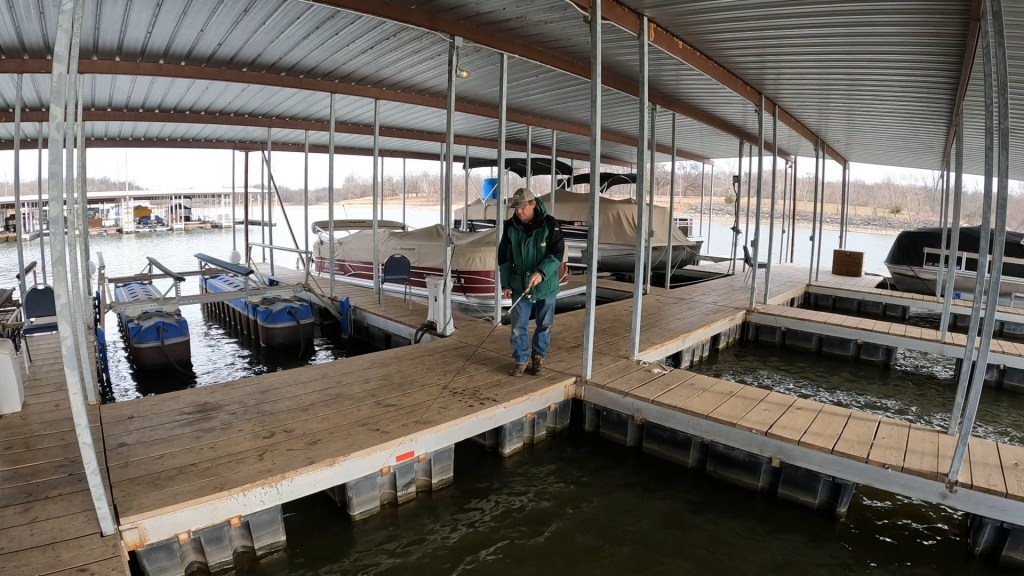
Docks commonly offer great opportunities for crappie fishing without a boat because they bring together fishing access and crappie habitat. Light spinning tackle and small jigs are all you need to catch these fish.

Whether it’s a boat or marina dock that you have permission to fish from or a fishing pier in a park or other recreation area, this kind of structure provides shade for the fish, cover of various sorts (often including brush that that has been placed nearby to attract fish), and forage in the form of minnows and aquatics insect nymphs, which are drawn to the dock for the same reasons.

The dock puts you within easy casting or pitching range of the crappie, and in many cases, directly above them, making controlled, accurate presentations easy.

Dock Presentations for Crappie

Docks allow for very controlled presentations of crappie jigs.

A 1/16-ounce or smaller crappie jig is tough to beat for crappie fishing from docks. Often the best way to fish a jig from a dock is also the simplest. Drop the bait straight down and suspend it beside a dock support or over a brushpile, either holding the rod tip completely still, twitching it slightly or slowly lifting and letting the bait fall again.

Experiment with different depths and try various spots, giving extra attention to corners and crossbars on that connect dock supports.

Sometimes the crappie prefer a moving jig. Two great techniques are casting parallel to the dock, letting the bait sink and then reeling, and making a short pitch parallel to the dock, closing the bail and letting the jig pendulum to straight below your rod tip.

Dock Crappie Fishing Tips

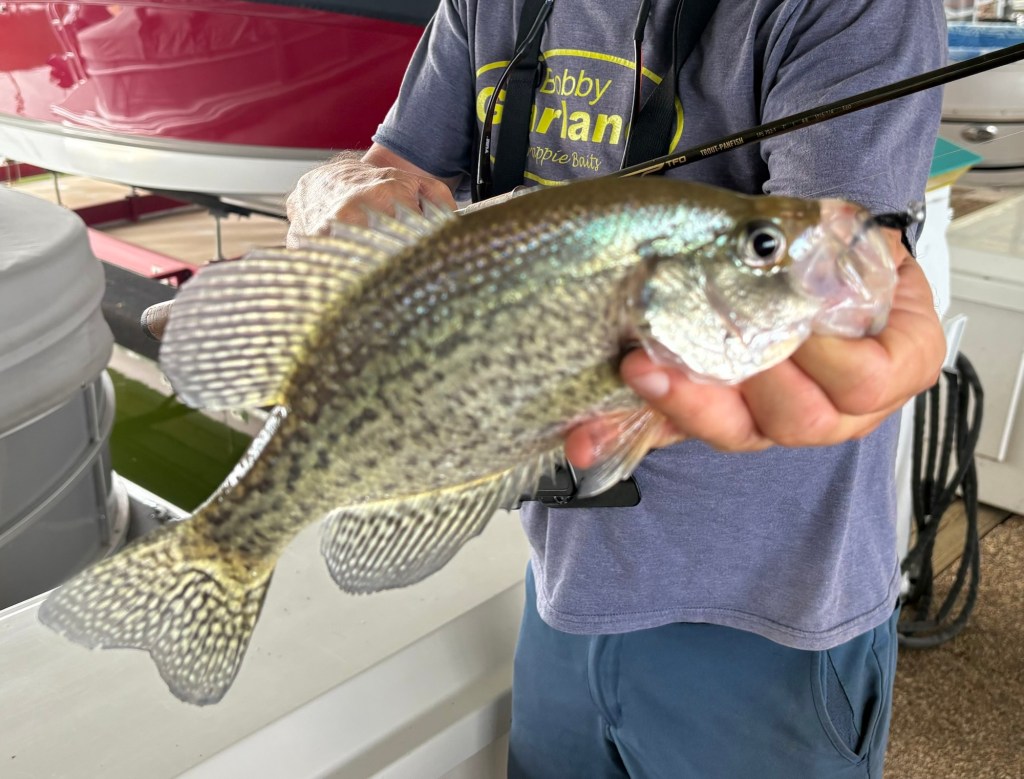
Minimizing noise can help you catch more crappie from docks.
  • Tread Lightly – Sound resonates. Walking lightly and minimizing banging when you set down gear helps keep the crappie unaware of your presence.
  • Soften bait movements – Sharp jigging is more apt to spook crappie than to prompt strikes. Less is more!
  • Double Up – A tandem rig, with jigs spaced 2 feet apart, allows you to work two slightly different zones and experiment more efficiently with bait shapes and colors
  • Do Not Touch – When you hook a fish with a vertical presentation, if possible land the fish without touching the reel handle. This allows you to drop the bait back to the exact same spot for the next presentation.

4 Top Baits for Dock Crappie

Itty Bit Baby Shad

Use the code FOF15 for 15 percent off your entire order at Lurenet.com