Along-the-Way Fishing Stops

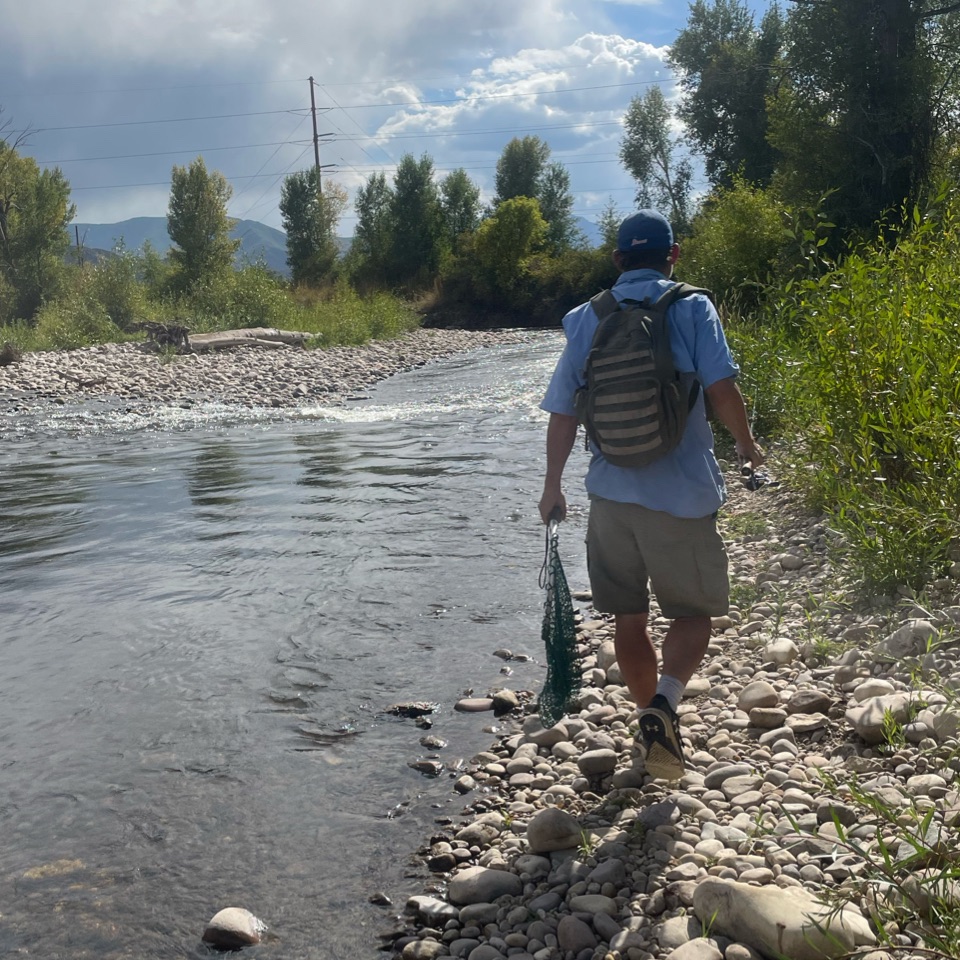
I’m always on the lookout for stops along travel routes that allow for simple fishing breaks.

I spend more than a little time staring at Google Maps on my phone or a computer — searching for parks, greenways, canoe launches and rights-of-way that front a creek or river or maybe have a pond or two on the property. And that searching revs up whenever I’ll be traveling by car and suspect I might have a bit of extra time.

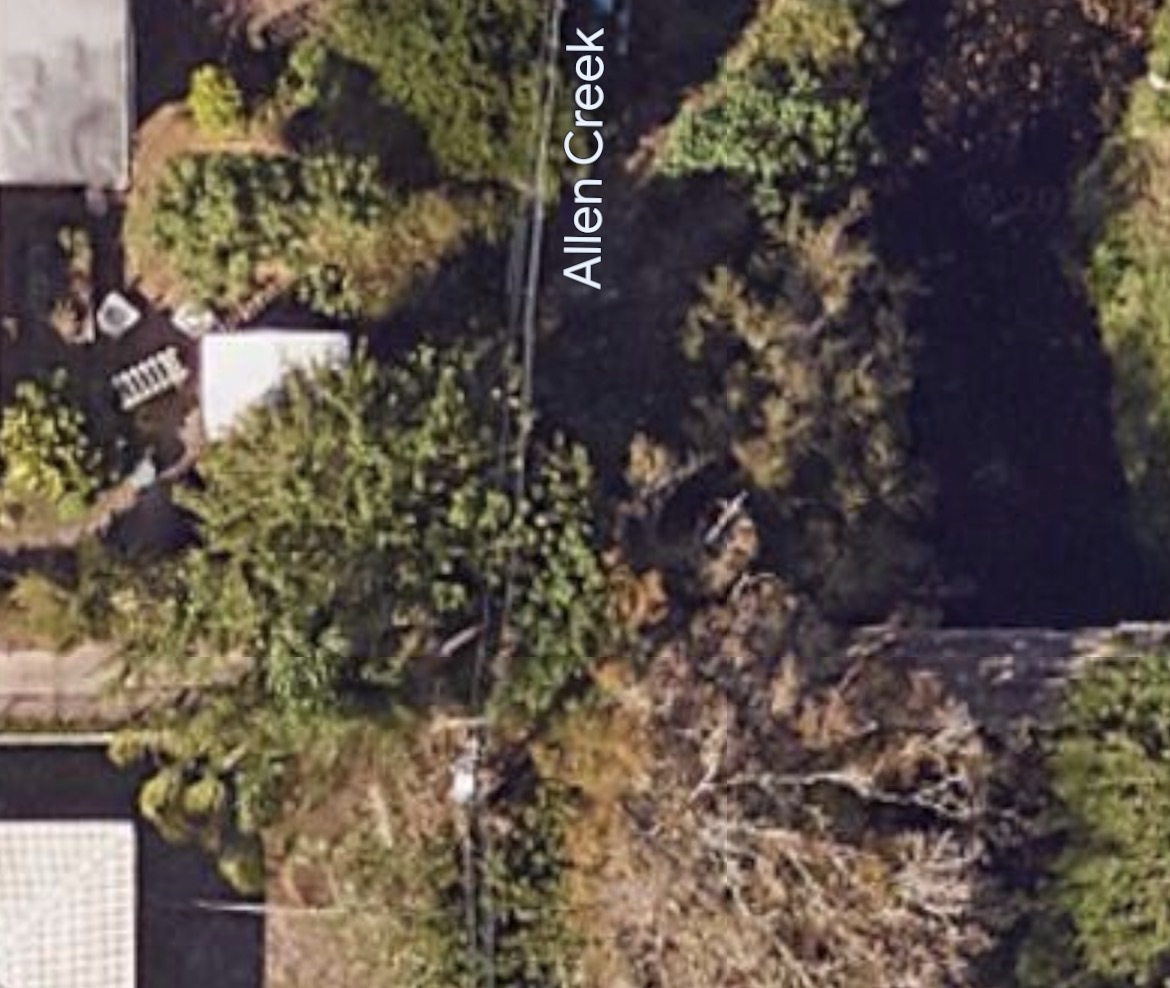
If a spot seems to have potential, I pull up the satellite view and zoom close to see what I can discern about the character of the waterway and the quality of the access. I’ll also look at reviews to see what happens to be mentioned about fishing, but unless something credible seeming mentions fishing not being permitted, a lack of good reports definitely doesn’t keep me from stopping.

Some stops work out great, and I find myself wishing I had more time but am glad to have more knowledge about them for the next time. Others are very quick because they don’t turn out to be that interesting or possibly because the access area is small and other anglers are already fishing. Most fall in between.

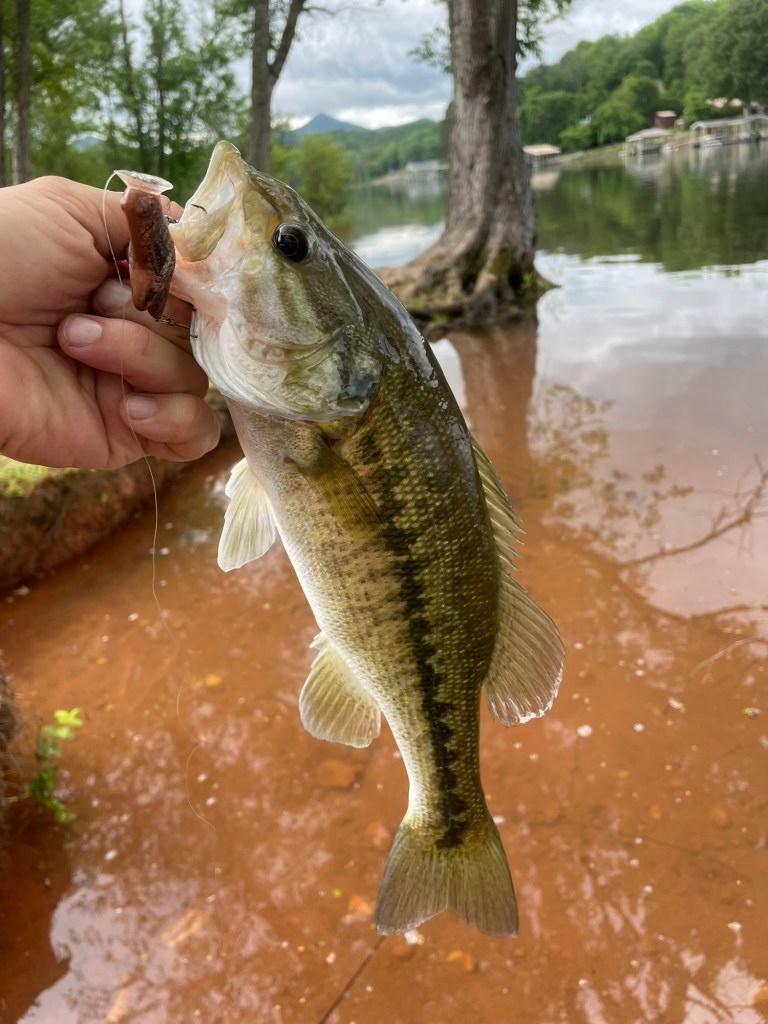
I made three stops during a recent drive. One was to a spot I’d visited before so I knew what was there. It’s a canoe access with no other developed facilities, but it offers a couple hundred yards of river access, with easily waded shoals and bank access to big pools.

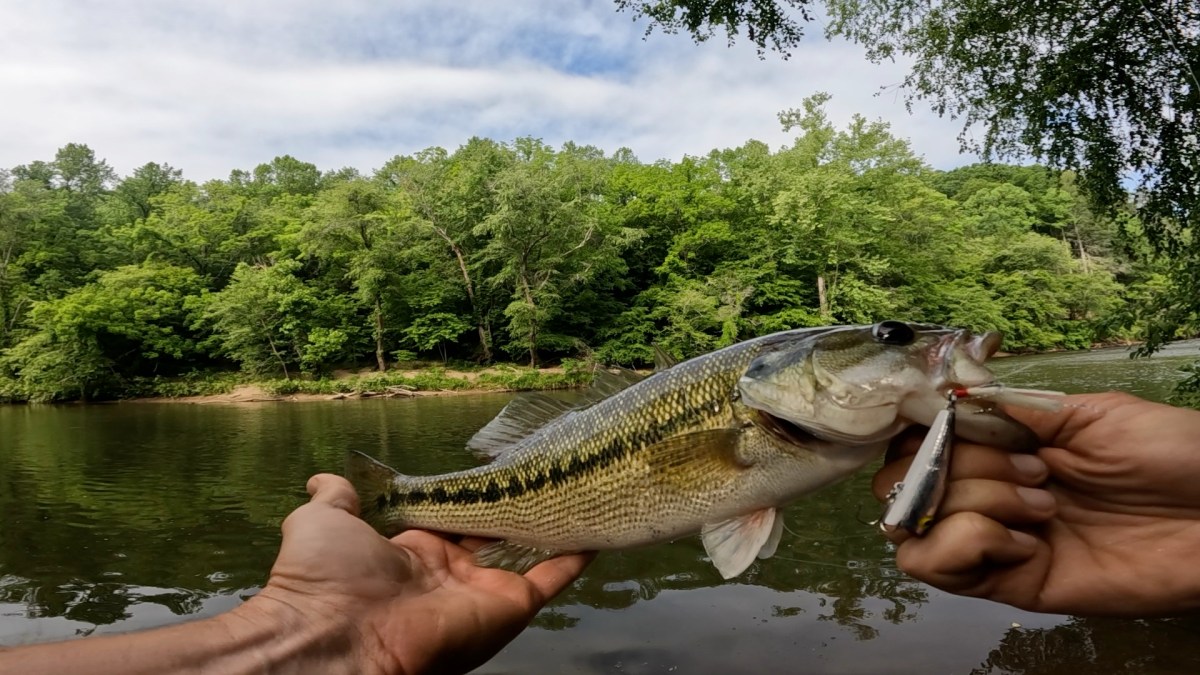
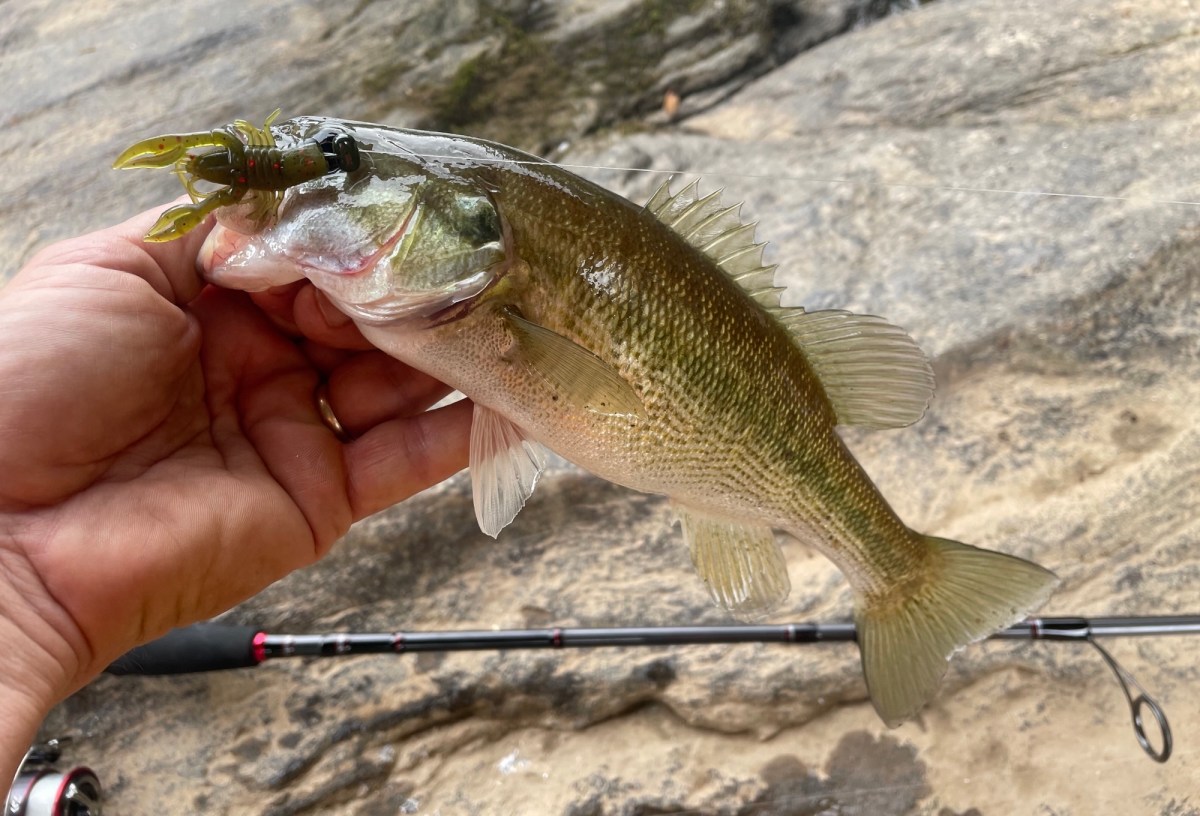
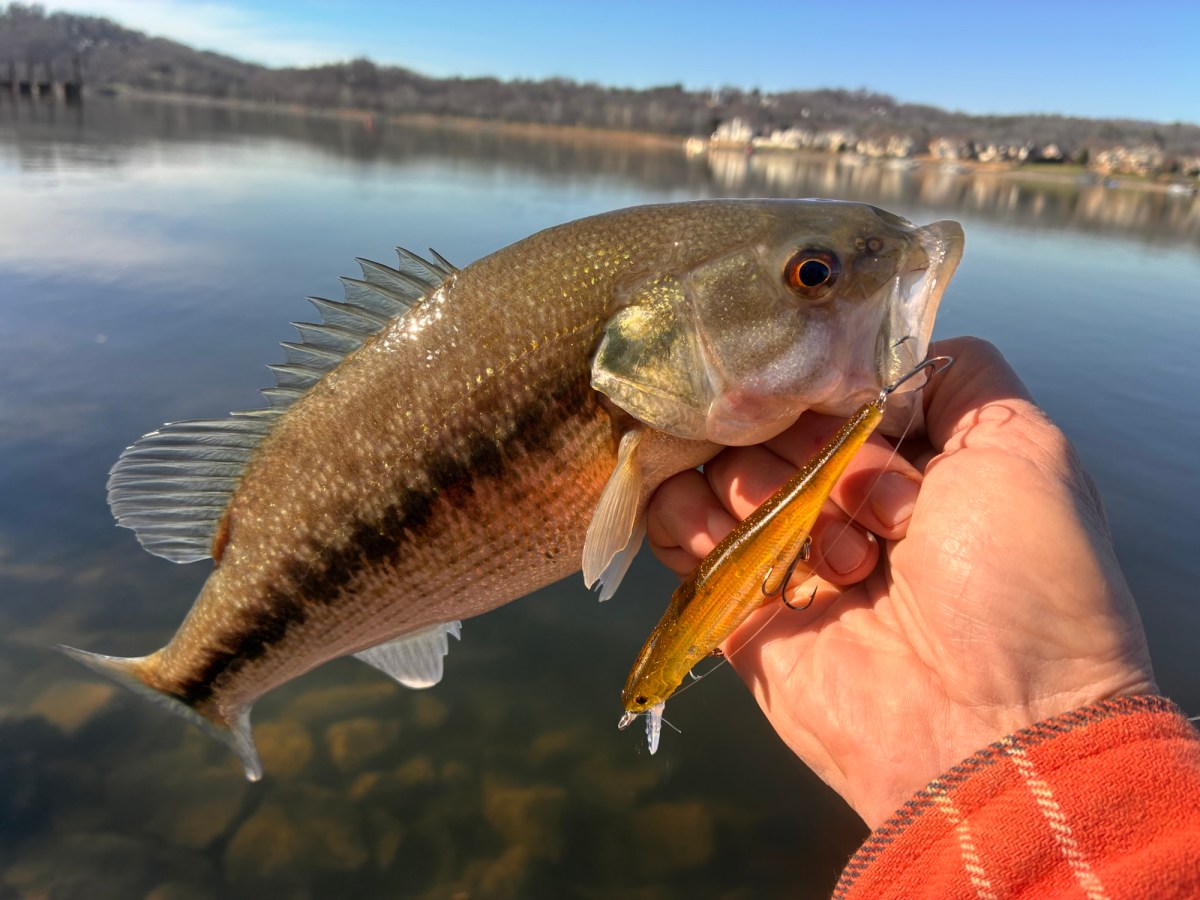
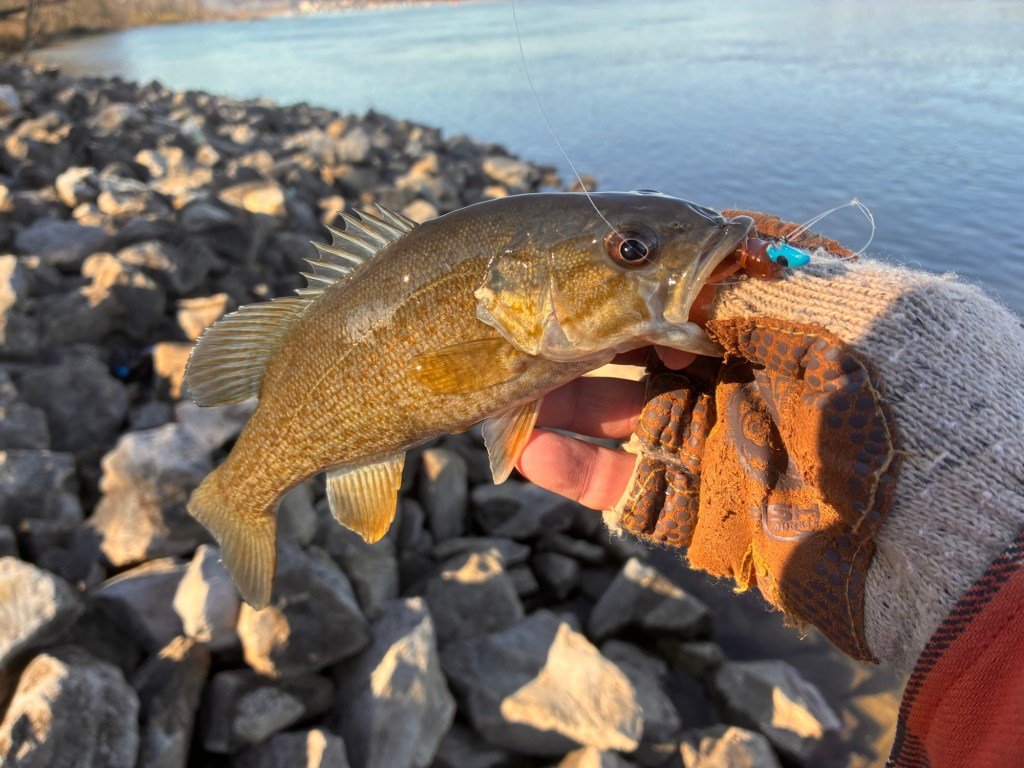
I caught two spotted bass, including one solid fish that hit a Pop-R, got some lure photos I needed for work, and enjoyed a nice little driving break.

The second and third stops were pure scouting. One was a linear city park along a river. It has ballfields, a playground, picnics tables, a walking trail, etc. No mention of fishing online, but there were obvious fishermen’s trails to shoal areas, and one other angler I spoke with said he catches trout and bass there at times.

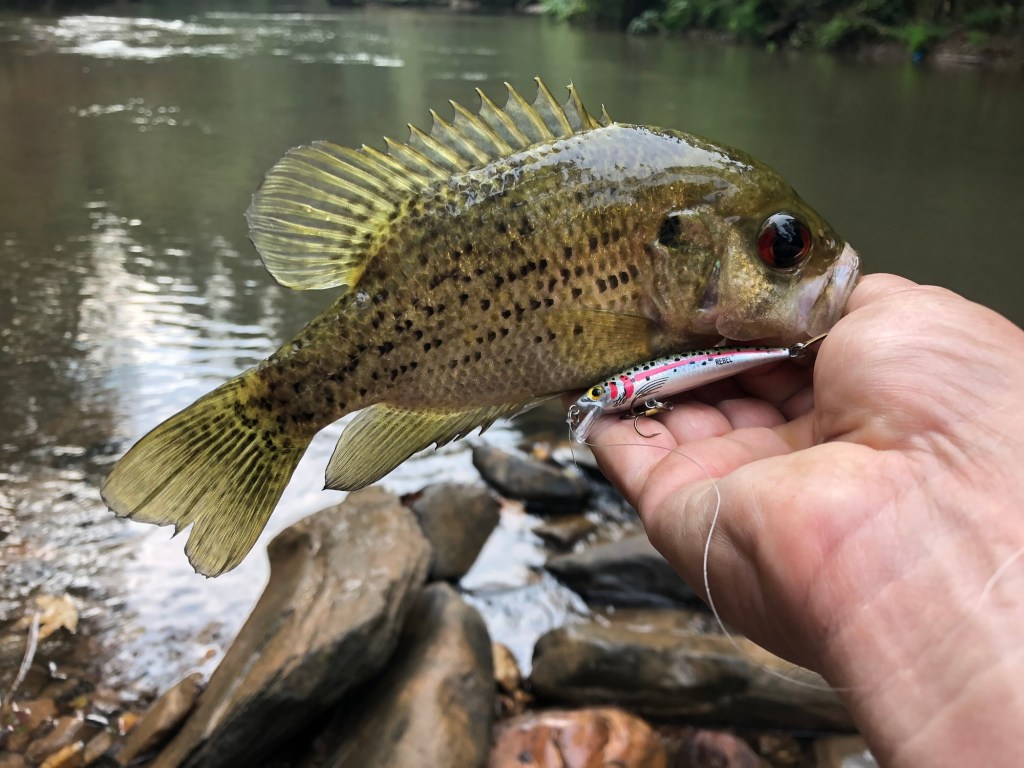
I just fished one spot, and not for too long, but I caught one little redeye bass and got a few hits — I think from panfish. I was impressed by my findings and definitely will stop there again when I have more time.

The third was a Greenway trail along a creek. The creek was too small to see much on the satellite. As it turned out it was ditch-like and a bit muddy, with high banks and only a few gaps in trees to provide casting vantages. I didn’t stay long at all and probably won’t return to that one.

Interestingly, although it isn’t listed as a fishing spot and didn’t look that great, I saw three other fishermen in a short visit. All had backpacks and a couple of rods and looked like fairly dedicated bass anglers. I spoke to one angler who said it had good fish in it, but they could be challenging to catch, and he hadn’t caught any that day.

Of course, to me it’s less about what I find at any given spot and more about the value or searching out stops and keeping a bit of gear handy in my car and the fun of discovery.

My Favorite Summer Bank Fishing Lure

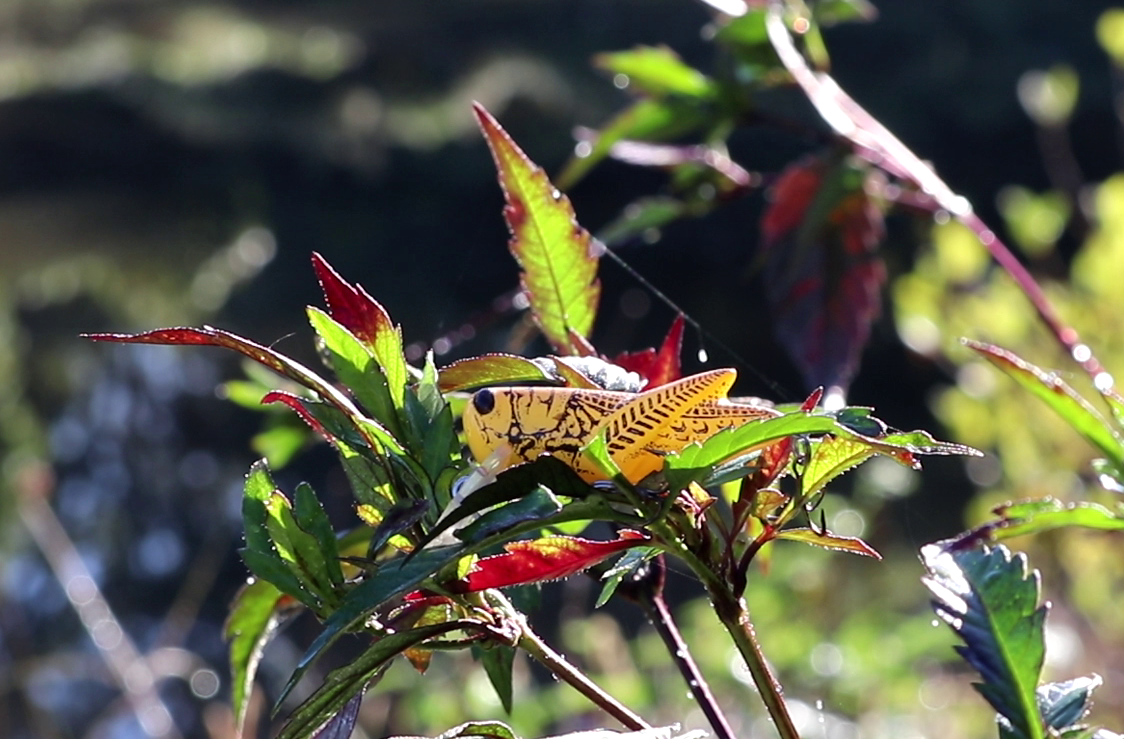
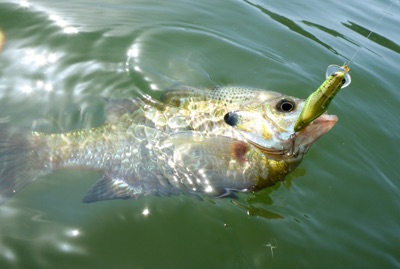
A Rebel Crickhopper offers easy fishing and excellent opportunities for mixed-bag fishing action from the bank.

If I’m walking the bank of a pond or creek from late spring through fall, looking for whatever will bite, my starting lure is usually a Rebel Crickhopper. This little floating/diving insect-shaped crankbait is ideal for a multi-species, bank-walking approach.

A Crickhopper excels for the shoreline approach in part because it imitates forage that is normally found near the shore and that appeals to fish holding in shallow water. Because it floats, it’s easy to keep out of underwater snags and to control the positioning to fish near cover. It’s also small enough to appeal to many different fish species.

Fishing a Crickhopper

Rebel Crickhopper

The Crickhopper is technically a shallow crankbait, and many anglers enjoy great success just casting and reeling. I fish it primarily as a topwater lure, though, because that presentation, in my mind, best matches the behavior of a displaced terrestrial insect.

After casting, I always let the bait rest a few seconds, at least. Fish hear the landing splash and cone to investigate, and often strike before I move the bait an inch. If none bite, or they peck at it but don’t quite commit (common with this lure), I begin working it on top, usually with small twitches of the rod tip.

Little twitches make the bait dance erratically on top, and it looks strikingly like a grasshopper that has found itself errantly on a pond’s surface and is trying desperately to find dry ground. I pause occasionally to match a bug trying to get oriented. Big strikes commonly come right after a pause.

Sometimes, instead of twitching the lure to make it dance, I’ll reel very slowly with the rod tip kept high. This makes a Crickhopper “wake,” wobbling along right at the surface.

I mix up actions and cadences and even throw in some slow cranking to see what the fish prefer any given day.

Crickhopper Models

Spotted bass on Crickhopper Popper
  • Original Crickhopper – 1 1/2 inches and weighs 3/32 ounce
  • Bighopper – Same shape and action as original but slightly larger at 1 3/4 inches and 1/8 ounce
  • Crickhopper Popper – Size and profile of Bighopper bit with a cupped popping face.

4 Advantages of Fishing From the Bank

Learn about the distinct advantages afforded by an on-foot angling approach.

Fishing from the bank of a river, lake, creek or pond offers distinct advantages over the boating approach. Among the most significant advantages are reduced cost, convenience for easy outings, access to many areas, and fixed positioning. The same advantages apply to wade fishing.

Reduced Fishing Cost

This advantage is pretty straightforward and so obvious it almost doesn’t seem worth mentioning. It’s too important to ignore, though. Simply put, shoes are cheaper than boats.

This is true at the most basic level. Even renting a simple boat for a few hours costs more than walking the bank of a waterway, which might involve some parking or area access fee, but that is usually it.

When you’re taking about owning any kind of boat, the cost difference is much more extreme, and any boat owner will tell you that the cost doesn’t end with the purchase! Fuel, repairs, insurance…

Increased Convenience

One of my favorite things about Fishing on Foot is that quick spontaneous outings are so simple. I can grab a few things from my basement (or even just go with the travel rod and a bit of tackle that’s always in my car hatch), drive to a nearby park or river access and be fishing almost immediately.

Many days, when I only have a short window, I wouldn’t end up fishing if I had to hook up a trailer or load a kayak on top of my car, load the boat at water’s edge and then get to my fishing spot — and then do all the same steps the other way when I’m done fishing. I like to maximize my fishing time with the simplicity of the bank or wading approach.

Similarly, I’ll commonly use the gear in the back of my car or tote a specific rod and reel and lures when I know I’ll be passing an interesting access area or be near a fishing spot when I’m doing completely different activities. The simplicity of bank fishing makes those bonus fishing stops practical.

Exclusive Access

It might sound strange hailing the unique fishing access afforded by fishing from the bank. Without question, a boat allows you to reach far bigger portions of many bodies of water, and I’m certainly not suggesting otherwise.

That said, there are many small streams, shallow flats and waters protected by shoals or sandbars that most boats simply can’t get to, and many of these areas are accessible by bank or by wading and provide excellent fishing opportunities.

Additionally, some entire waterways have no place to launch but can be fished from the bank.

Fixed Positioning

A final highly practical advantage of an on-foot approach to fishing is complete control of your positioning for fishing the shallow zone where so many fish feed.

From solid ground you can work the shallow zone thoroughly with no concern of drifting out of casting range or over the fish, which is sometimes a real challenge from a boat.

The same control of positioning makes it easy to work every piece of cover from exactly the right angle and to repeat casts that produce fish. Sometimes the exact cast that produces a fish will produce more fish, and repeating a cast is far earlier when your position is unchanged.

Fishing on Foot has its advantages.

Plentiful Bank-Fishing Access in Chattanooga

If you’re looking for a place to bank fish for the day and like variety, Chattanooga warrants consideration.

Work travel earlier this week took me through Chattanooga. A couple of exploration stops, when combined with things I’ve found on previous trips, helped me realize that the Chattanooga area offers an amazing amount of shoreline fishing access. It’s an area I’m now eager to explore more with more dedicated fishing time at my disposal.

I should note up front that this post won’t be a detailed fishing guide. More so it’s reporting what I’m beginning to discover. I’ll detail more as I learn more, probably showing some of the access points in video form on the Fishing on Foot YouTube channel.

Chickamauga Lake & Tailwater

Tennessee River smallmouth bass

Although there are other fishing spots in the area, the main areas I’m taking about are toward the lower end of Chickamauga Lake and along the Tennessee River, downstream of the dam.

On the lake, Booker T Washington State Park and the Chickamauga Dam Day Use Area both offer extensive access for Fishing in Foot, and while they are near one another geographically, opportunities differ substantially.

The Bay, which is within the state park, is a dedicated fishing area, with a fishing pier and parking that’s handy to the pier, a riprap point that connects a big bay with a cove that’s off it and significant sections of shore along the bay and the cove.

Anglers I’ve seen on past visits to this park have been targeting crappie, but I have little doubt that at times it’s a good place to catch bass, bream and catfish.

The day use area at the dam again offers easy access to a long section of shore. The main difference is that it’s on the lake’s main body, instead of a creek or cove, and includes access to the riprap at the end of the dam.

Like the dams that create most Tennessee River impoundments, Chickamauga Dam has good access to riprap banks immediately below the dam and a fishing pier close to the dam. I knew that and had fished within sight of the dam before.

What I didn’t realize is that a park-like corridor of public access extends several miles below the dam with places to fish the river running through downtown. Included in the first few miles is what is officially called a “fishing park” and includes several fishing piers.

Big river tailwaters are almost like saltwater fisheries on terms of the variety of fish species and opportunities they provide. Any fish that bites could turn out to be one of many different kinds of fish, and the nature of the fishing varies enormously according to the season, the river level and which turbines are turning.

Blue catfish, smallmouth bass, crappie and white bass are some of the species most frequently sought beneath the dam.

Keep an eye on this blog and my YouTube channel for more on shoreline fishing around Chattanooga.